








Explore Data Science Course Options for Career Switchers
Key Highlights
Here are the key takeaways from this guide on data science courses for 2026:
A data science course provides essential skills in programming languages like Python, statistics, and machine learning.
The field of data science is expected to see massive growth, with a high demand for skilled professionals in 2026.
You will learn about the detailed syllabus, including data analytics, deep learning, and real-world projects.
Understand the clear career path options, from data analyst to machine learning engineer.
This guide offers a step-by-step plan to start your journey and build a successful data science career.
Introduction
Do you want to know more about data and the way it changes our everyday life? The world of data science is growing fast. If you become a data scientist, you can find one of the best and most fun jobs to go after. By the year 2026, jobs for people who understand how to turn raw data into useful facts will rise more than ever before. This guide will show you what you should know to start a data science course. You will learn about the topics you will study and find out about good job choices in this field.
Understanding Data Science Courses in 2026
 Data science courses give you what you need to do well in a world run by data. The programs show you how to build predictive models. You also learn about machine learning so you can solve tough business problems. All of this helps you stand out in the job market.
If you want a good start in a data science career, you need certain skills. You should know programming, statistics, and how to work with data. If you get strong in these areas, you will be a valuable data scientist. Let’s look at what data science is and what you can learn from it.
What is Data Science?
Data science is an exciting field. It uses different methods and systems to get information from both organized and messy data sets. You can think of it as a way to make data useful. It pulls ideas from statistics, computer science, and software engineering to work with large amounts of information.
The main goal is to find hidden patterns and trends in the data. A data scientist looks at this to give actionable insights. These insights help organizations make smarter decisions based on data. This makes things like product development and customer satisfaction better.
In the end, data science is behind business intelligence. It gives a clear look at what is going on, and what could come next. It uses data to tell a story and helps shape future plans.
Core Concepts Covered in a Data Science Course
A good data science course gives you the tools you need to work with data from start to finish. You will start by learning how to take raw data and get it ready for use. This means you will learn about data cleaning, where you fix problems in the data and fill in missing parts to make sure everything is right.
Next, you will get to know the basics of statistical analysis. You will also learn how to build machine learning models. These models help you look at data and can guess what will happen next or sort the data into groups. The learning is practical, so you will have a lot of chances to use what you learn.
Key ideas in the course include:
Data Handling: Doing data analysis to see what’s in your data and getting data ready for machine learning.
Data Visualization: Building clear and easy-to-understand charts and dashboards to show what you find.
Generative AI: Using large language models to help get more insights from data and make better use of what you have.
The focus is on things you will use on the job, so you will get real practice with data science, machine learning, data analysis, statistical analysis, and more.
Data Science vs. Data Analytics vs. Artificial Intelligence
It's easy to get confused between data science, data analytics, and artificial intelligence (AI), as they are closely related. Data analytics primarily focuses on examining historical data to identify trends and answer business questions. It's about understanding what has already happened.
Data science, on the other hand, goes a step further. It uses techniques like machine learning to not only analyze the past but also to predict future outcomes. Artificial intelligence is a broader field focused on creating intelligent systems that can perform tasks that typically require human intelligence. Data science is a subset of AI, using its principles to build predictive models from big data.
The typical job roles in a data science career include Data Scientist, Data Analyst, and Machine Learning Engineer, each with distinct responsibilities.
Field | Focus | Goal |
|---|---|---|
Data Analytics | Examining past data | To find insights from historical information |
Data Science | Predicting future outcomes | To build predictive models using machine learning |
Artificial Intelligence | Creating intelligent systems | To build machines that mimic human intelligence |
Why Choose a Data Science Career in 2026?
 Thinking about starting a data science career in 2026? You are choosing a good path. The job market is growing fast for people working in data. Companies everywhere need experts who can use predictive analytics to help them understand their business better. This demand means it is a stable job and you can also earn well.
Right now, there are many jobs for data scientists in India. The country needs people with data skills more than any other place in the world. You can find jobs in IT, finance, and healthcare. There is no better time to get into data science. Let’s talk about why this career is such a good choice.
Industry Demand for Data Science Professionals
The need for data science professionals is growing fast, and it is not likely to stop soon. Industry experts say that jobs in this area will go up by 31% each year until 2030. This big change is because many companies now know that their data is very important.
Companies are searching for people who can build and take care of data pipelines. These skills help businesses use data in smart ways. There are jobs for new workers as well as those who have years of experience. A data engineer is very important because they make the base for what data scientists do.
Because so many people want these skills, knowing data science can help you stand out in the job market. This is a job field that gives lots of chances to grow and make a big difference.
The Role of Data in Modern Businesses
Today, data is the main force that pushes modern businesses ahead. Companies gather large amounts of data every day. But, the real value comes when this data is turned into actionable insights. This is the point where data science becomes very important.
With data science, businesses can look at the data to know more about what customers do. They can use these facts to make operations better and come up with smarter business decisions. Good data quality is key in this process. It helps groups trust the insights they get from looking at the data.
Here's how using large amounts of data helps businesses reach their goals:
Informed Decision-Making: Companies move away from guesses and use data-driven plans.
Customer Understanding: They get deep insights into what customers want and like.
Operational Efficiency: Businesses can spot and fix problems in their processes.
Career Stability and Salary Insights for Data Science Jobs 2026
A career in data science gives you good job security and lets you earn a high average salary. Many companies are now focused on data, so the need for data science jobs in 2026 will be very high. This makes the career path very stable, and there will be many ways for you to move up.
The average salary for roles in data science is strong. In India, a data scientist can get about ₹14,00,000 each year. Someone working as a machine learning engineer could make around ₹11,63,750 per year. In the United States, a data scientist's median pay is $154,000 a year. The job description for these roles lists skills that help get such good pay.
There is also good room to grow in your career path. You may start as a junior data analyst. Over time, you can move up to be a senior data scientist, work as a data science manager, or take on a special role like research scientist. This growth is why many people see data science, machine learning, and related jobs as a strong choice for a career in the long term.
Essential Data Science Course Syllabus Breakdown
 A data science course syllabus gives you a clear path to follow. You start with the basics of data analysis. Then, you move ahead to topics like machine learning, artificial intelligence, and predictive modeling. This helps you get strong skills and know-how.
The best online courses for data science in 2024, like the AI-powered program from SocialPrachar, teach you Python, SQL, statistics, and machine learning. Here is a look at the main modules you get in a standard course.
Python Programming for Data Science
Python is the top choice for many people in data science. That is because it is easy to learn, you can use it for many things, and many people are there to help you when you need it. In any good data science class, you will begin with a quick look back at Python basics, just to make sure you get all the main things right.
You will go over data types, loops, functions, and how to handle mistakes in your code. These are the tools you have to learn first before you move forward. Python is simple, so you can learn how to solve problems with data. You will not waste time with tricky rules, as you might when using some other programming languages.
After you work on the basics, you will learn about helpful Python tools that anyone doing machine learning or software development should know. Knowing how to use Python will be with you all the way through your computer science or data science journey.
Statistics and Probability Foundations
Statistics and probability are at the heart of data science. If you do not know these ideas well, you cannot make good predictive models or get real insight from data. This part of the course gives you the basic knowledge you need.
You will get to know key topics in statistics. These include ways to measure central tendency, spread in data, and how data is shown. Learning about probability helps you find out how uncertain your data is and gives you the tools to make predictions based on data. This is very important for all kinds of data modeling and statistical analysis.
The course will show you how to use what you learn. You will build and read statistical models. You will know how to test ideas and use regression to look at links in your data. These are must-have skills for a data scientist.
Data Analysis and Visualization Techniques
Data analysis is the point where you take raw data and turn it into real information. In this part of the data science course, you will learn how to look at, clean, and change data to find trends and patterns. You will also get to try out exploratory data analysis (EDA), which is the first step in any data project.
But analyzing data is not all you need to do. You have to show your findings in a way people can understand. This is the job of data visualization. With visualization tools like Tableau or Power BI, you can make charts, graphs, and dashboards that show your results clearly.
A good data science course will help you:
Change tough data into visuals that are simple and easy for others to see.
Make dashboards that people can use to help drive business choices.
Share actionable insights in a way that makes sense to both technical and non-technical people.
Introduction to Machine Learning
Machine learning is a big part of data science today. This module helps you understand how to build smart systems that can learn from data. You will see what makes machine learning different from old ways of programming.
You will learn about machine learning models. These include supervised learning, which is good for prediction and picking a group. There is also unsupervised learning, which helps to find hidden patterns. This basic information is important if you want to use predictive analytics later.
The course teaches you popular algorithms. You will get the skills to make your own models and improve them. This part covers the basics and helps you get ready for things like neural networks and deep learning, which you will learn about next.
Basics of Deep Learning
After you know about machine learning, the next thing you learn is deep learning. Deep learning is a part of artificial intelligence that is based on how the human brain works. It uses something called neural networks to solve hard problems. Deep learning is good at handling big sets of data. Many big changes in AI come from deep learning.
In this lesson, you will see how deep learning is not the same as regular machine learning. You will use tools like TensorFlow and PyTorch to build your own neural networks. You will also understand things like backpropagation and activation functions.
Deep learning is important in computer science. People use it for image recognition, working with natural language, and many other things. This lesson will give you what you need to start looking into these new ideas and help you take on tough artificial intelligence tasks.
Working with SQL and Databases
While Python is used for analysis, SQL helps you get to and manage your data. Most business data in the world is kept in relational databases. SQL is the common language you use to talk to these databases. This module will show you how to get good at using SQL.
You will find out how be to use everything from simple queries to tricks for storing, finding, and changing your data. This skill is important for a data scientist. It lets you handle large amounts of information right from the database. You will also learn how to deal with unstructured data.
Knowing about databases and SQL matters for data processing and for making strong data pipelines. This helps you work better with data engineers and makes sure the data you look at is accurate and reliable.
Capstone Projects and Real-World Case Studies
It is good to learn the ideas behind data science. But, what really gets you ready for a job is having hands-on time with data. Capstone projects are the best part of any strong data science program. They help you bring together all you have learned to fix a real problem using data.
When you use real data in the project, you get to try every part of data science—from data mining all the way to showing off useful business insights. Going through this whole process is very helpful. It connects learning in the classroom with what you will do at work. This also lets you build a strong portfolio, so you can show your skills when you meet possible employers.
A capstone project lets you:
Take on a problem that companies really face.
Learn about data processing, model building, and how to share what you find out.
Work closely with mentors and get advice as you face tough parts.
Pull out meaningful insights from data that prove you can bring value to the business.
Key Skills Gained from a Data Science Course
 A data science course does more than help you understand ideas. It gives you many useful data science skills that companies want. You will learn technical skills such as machine learning and programming. You will also grow your business acumen.
The most important skills for a good start in your career are data analysis, problem-solving, and knowing how to turn data into actionable insights. These skills are what make you valued in any group. Below, we take a closer look at the key skills you will get.
Data Analysis and Problem-Solving Abilities
Data science is, at its heart, all about fixing problems. When you take a data science course, you get better at data analysis. You learn how to handle complex problems. The course shows you how to break big questions into smaller ones that you can take on.
You learn to work with raw data, which most of the time is messy and not set up right. The course teaches you to turn this into a clean format that you can use for data analysis. This work is important for finding meaningful insights hidden in the data. It is like being on the lookout for clues that nobody else notices.
The main reason for learning data science is to use these insights to help groups or businesses make better decisions. You will be able to see patterns in the data and understand what they tell you about the business. This way, your skills in data analysis will have a real effect in the world.
Mastering Machine Learning and AI Concepts
A data science course will help you get a clear understanding of machine learning and artificial intelligence. You will learn what these things really mean and what you can do with them. You will pick up many useful skills to build and use smart systems. This can help you make predictive models that look at data and show what may happen next with good accuracy.
You will get to work with different machine learning algorithms. You will start with easy things like regressions and move to other ways that are more complex. You will also get to know topics like deep learning, neural networks, and natural language processing. These are big now and help drive most new ideas in artificial intelligence.
When you finish the course, you will not just know what these tools do. You will be able to use them on your own and solve real problems in a business. This know-how of artificial intelligence will help you stand out in the job market, as many people and companies want those who understand and use these data science skills.
Business Understanding and Domain Knowledge
Technical skills are important, but a good data scientist also needs to know a lot about business. A data science course will help you think like a business leader. It teaches you how to tie your analysis to real outcomes in the business world. This is a big part of business intelligence.
You will learn to ask the right questions and see the main problems in a given industry. Maybe you will not become an expert in every field. Still, you will get the skill to quickly pick up the knowledge that makes your analysis matter. This is as important as software engineering.
By looking at the business side, you can go past just showing data. You give helpful business insights that help with good business decisions. You learn how to share your technical findings in a way that executives can use and move forward with.
Data Visualization and Communication Skills
The way you share your work is just as important as the work itself. Learning data visualization gives you the skill to explain tough ideas in a way that is simple and interesting. When you take a data science course, you get to know how to use data visualization tools to show your points clearly so people can understand and be convinced by what you say.
In this course, you will get to use some of the top data visualization tools such as Tableau and Power BI. With these tools, you can make dashboards and reports that people can use and click on. It’s not just about nice charts—it’s about making visuals that help you hit your business goals. It helps your team or your boss focus on what is most important in the data.
It takes both good communication and business acumen to be great at this. Here’s what you will learn to do:
Choose the best chart for your data.
Make dashboards that every person can use with ease and understand right away.
Share your results with people from any background, and do it with confidence and in a clear way.
Use your data science skills and these visualization tools to match your work with the bigger business goals. This will help you and your business get what you want and move forward.
Beginner’s Guide to Starting Your Data Science Journey
Are you ready to step into the data science field? Starting a new career path can be hard, but the right resources and a simple plan can help anyone get started. This guide is made for beginners, and for those moving from a different field.
The journey in data science means you will learn new skills. You will practice using data sets and make new projects. The first thing you need to do is know which tools and resources help with data collection and analysis. Let’s go over the steps you need to take to begin your data science journey.
What You Need to Start Learning Data Science (Resources & Tools)
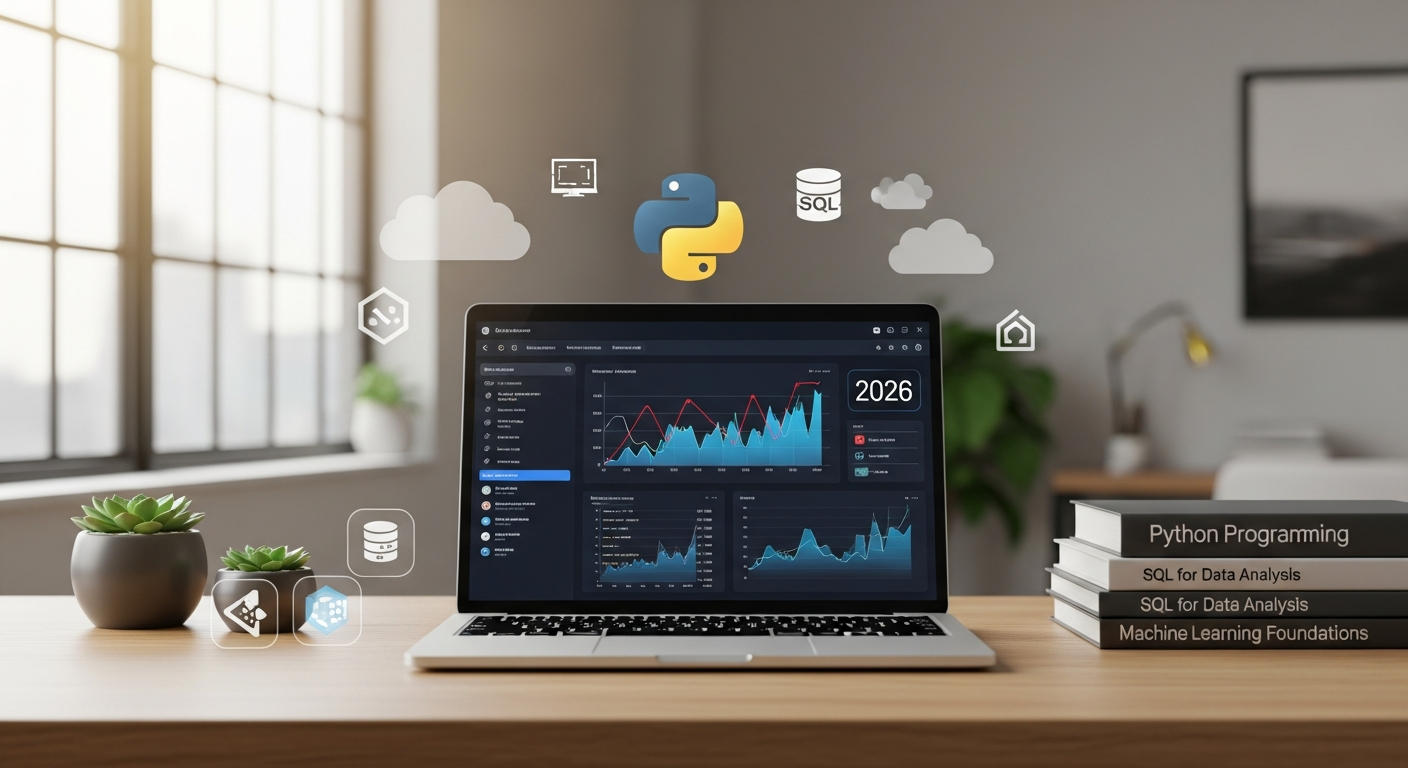 To start your path in data science, you do not need much. You just need the right things and tools. Your own computer will be what you use the most, so having a good one is smart. On the software side, most key things are free and open for everyone.
You will begin with programming languages like Python and SQL. You will do your analysis with tools like pandas and NumPy. For showing what you find, you will use tools for graphs and pictures, like Matplotlib and Seaborn. Later on, you may use platforms for business intelligence like Power BI. As you get better, you will try cloud tools like Google Cloud.
Here are the things you need to start with:
A solid computer: You do not need a top-level computer, but a new laptop works well.
Key software: Get Python, an IDE like VS Code, and a database like MySQL.
Access to data sets: Sites like Kaggle give you free data sets for you to use.
The best thing you can bring is your drive to learn and try new things!
The world of data science is big, but you can go far with these basics. Just take it one step at a time, and you will learn a lot.
Step-by-Step Guide to Begin a Data Science Career
Starting a data science career path can seem tough, especially if you come from a related field or from something new. To do well, you need to pick up basic technical skills and get some hands-on experience. This step-by-step guide gives you a way to move through the job market.
You should start by learning the core ideas. There is no need to feel stressed about knowing everything at once. The aim is to make a strong base that you will build on as time goes by. As you get a few years of experience, you may be able to step into higher jobs.
Here’s a simple roadmap to get you started:
Learn the Basics: Begin with Python and statistics.
Practice Consistently: Try small projects and coding tests often.
Build a Portfolio: Show what you can do with real projects.
Network and Apply: Meet people in this field and try for open roles.
Step 1: Learn Python and Essential Programming
Your first step into data science is to learn Python. It is one of the most popular programming languages for many reasons. Python is powerful, can do a lot, and is simple enough for beginners. Try to get the basic ideas behind programming first.
You need to learn about variables, data types, loops, and functions. Once you get these, you can go on to harder things like data structures such as lists and dictionaries or work with object-oriented programming. These ideas are at the heart of software development.
If you know Python well, that will help you move on to special tools for machine learning and data analysis. It is like learning the alphabet before you try to put words into sentences. This basic skill will help you at every stage of your data science career.
Step 2: Build Strong Foundations in Statistics
Once you know your way around Python, you should move on to statistics. This is the math at the heart of data science. You need to understand statistics and probability to make sense of data and build good models.
You do not have to know all of math. But you should get the basic ideas, like mean, median, standard deviation and distributions. After you know these, you can learn some other tools, like hypothesis testing and regression. These steps help you check your results and find out what your data tells you.
This is very important if you want to build and read statistical models. It helps you do more than just run code in data science. It helps you know what your predictive modeling results really show. Learning the basics will help you grow in your work as a data scientist. This is a key part of your journey.
Step 3: Practice Data Analysis with Real Datasets
When you know some Python and understand statistics, it is a good time to jump into data analysis. Learning theory helps, but real skill comes from using it on real problems. Working with real data sets helps you learn much more than any textbook with perfect data.
You can begin by looking for data sets that interest you. Try checking Kaggle or open data sites by the government. Collecting and cleaning data takes up a lot of time for a data scientist. Don't worry if the data is messy. This is all part of learning, and you will get better by dealing with tough data.
As you do more work, pay attention to these things:
Exploratory Data Analysis (EDA): Use pictures and easy stats to get a feel for the data.
Data Mining: Look for patterns, find links, and watch out for anything that stands out.
Drawing Meaningful Insights: Try to explain what your findings mean, not just the numbers.
If you want to be a good data scientist and do better at data analysis, keep practicing with many types of data sets. This will teach you how to get and use data, get strong at data mining, and share meaningful insights from your work.
Step 4: Explore Machine Learning Algorithms
If you know the basics of programming, statistics, and data analysis, you are all set to step into the world of machine learning. Here, you will learn how to build predictive models. These models help you make forecasts, sort things into groups, and find hard-to-spot patterns.
It is best to start with machine learning basics like linear and logistic regression. Next, try out more advanced ways to handle data, such as decision trees, random forests, and support vector machines. It helps to know not just how to use these statistical models, but also to understand the main idea behind each one and know when they should be used.
This is at the heart of the work done by a machine learning engineer. Once you are confident with the basics of machine learning and data analysis, you can move on to deeper topics, such as neural networks and deep learning. Still, having a good hold of the basics is the most important thing when you first get started.
Step 5: Create Projects and Build a Portfolio
A strong portfolio is the best thing you can have when you go for your first data science job. It shows your technical skills and how you solve problems. Your portfolio lets people see what you can do, in ways that a resume cannot. You should put together projects that show your skills and what you know.
First, be sure to write about the projects you finish in your data science course, like any big capstone projects. After that, make your own projects with data sets that you like or think are interesting. For each project, tell what the problem was, how you worked on it, and what happened after. Put your code on GitHub so others can check it.
To have a good portfolio:
Show many projects that use different ways and tools.
Write clear notes for each project, like a blog post or a README file.
Pay attention to what your work means for businesses, not just to software engineering.
Step 6: Network, Apply for Internships, and Seek Mentorship
When you have built up some skills and made a portfolio, you should start talking to others in the data science world. Getting to know people is a powerful way to find your way in the job market and move your career path forward. Try to talk to industry experts on places like LinkedIn. You can also go to online or in-person events.
Do not worry about asking someone to mentor you. Many people with years of experience want to help beginners. A mentor can give good advice, check your work, and get you ready for interviews. This is a great help, especially if you do not have a lot of experience yet.
Here are some things you can do in this stage:
Join Online Communities: Be active on forums on Reddit, Kaggle, or other websites.
Apply for Internships: Get real-world experience, even if the role does not pay or it is for a short time.
Conduct Informational Interviews: Contact data scientists to ask about what they do and how they got where they are.
Exploring Job Roles and Opportunities in Data Science
The data science job market has many choices. There are different roles, like being a data scientist, a data analyst, or a machine learning engineer. Each one has its own work and matters to a company in its own way.
Right now, data science jobs are in high demand across India. There are many jobs for data scientists. If you learn about every type of role, you can pick the one that matches your career path the best. Let’s look at these top job titles in data science.
Data Analyst, Data Scientist, and Machine Learning Engineer Explained
There are times when people use the titles data analyst, data scientist, and machine learning engineer in the same way. But these jobs are not the same. A data analyst works to find out what happened in the past by looking at old data. They usually make reports and dashboards for the business. These help answer questions that the business has.
A data scientist does what a data analyst does, but their job description goes further. They use predictive modeling and machine learning to guess what could happen next. This person wants to know what the data can show about the future. They come up with new questions and try to find new business insights.
A machine learning engineer does more with machine learning models. They work on building these models, putting them into use, and taking care of them. They are software engineers who know a lot about AI.
Data Analyst: Finds out "what happened?"
Data Scientist: Tries to show "what will happen?"
Machine Learning Engineer: Builds and puts machine learning models to work.
Entry-Level Data Science Jobs in India for 2026
The job market for entry-level jobs in data science in India is expected to be very strong in 2026. Many companies will be open to hiring fresh graduates and people looking to change their careers, as long as they have a good understanding of data science basics and a strong project portfolio.
Entry-level jobs usually have names like "Junior Data Analyst," "Data Science Intern," or "Associate Data Scientist." In these jobs, you often work with guidance from senior staff on tasks like data cleaning, finding patterns in data, and building simple models. The work is a good way to get years of experience in this field.
These jobs make it easy to move up into higher roles like data scientist or data engineer. If you do well in an entry-level business intelligence or data analyst role, you can quickly earn more responsibility. This can help your career move forward fast in data science.
Sectors and Industries Hiring Data Science Professionals
The need for data science professionals is not just in the tech world. Now, almost all fields use data to help them make smart choices. Because of this, there are many jobs out there. Companies need data scientists, business intelligence experts, and data architects everywhere.
You can see this in banks, hospitals, stores, and even in factories. These groups are looking for people who can use data and turn it into good business insights. If you can look at data and say what might happen next, you are someone that many will want to hire. That is why data science can be a good job path for anyone.
Some of the top fields hiring data science professionals right now are:
Information Technology and Services: Still a top spot for tech people.
Banking, Financial Services, and Insurance (BFSI): These jobs use data for finding scams, looking into risks, and helping with fast trades.
E-commerce and Retail: Here, workers set up systems that know what you like to buy, help make the supply chain better, and plan ways to make shoppers happy.
Healthcare and Pharmaceuticals: People in these jobs use data for checking how well new drugs work, figuring out new medicine, and planning care just for you.
How to Choose the Right Data Science Course in India
Picking the right data science course is an important choice. It can change the way your work life goes. There are many courses in India. You should look for the one with a solid course plan, teachers who have much knowledge, and strong help for getting jobs. This will boost your business intelligence skills.
You do not always need a data science certificate. But having one makes your resume better. It shows that you know your stuff to the people who may hire you. Let’s go over what you need to look for before you choose.
Importance of Hands-On Projects and Mentor Support
Hands-on projects are where you really learn. The best data science courses have many projects. At the end, you do a capstone project. This project asks you to use all your technical skills to solve a real problem. Doing this kind of work helps you more than just reading or listening.
It is also very important to get help from a mentor. You should have access to people who know a lot about data science. They can help explain hard ideas, check your code, and tell you how to make your projects better. With this kind of one-on-one help, you can learn faster and also avoid common mistakes.
Working on data pipelines or making complex models is not easy, especially when you start. A mentor can help you not get stuck. You will feel more sure about yourself and learn new skills. This helps you do well in data science, no matter how many years of experience you have.
Understanding Placement Assistance and Industry Connections
Signing up for a data science course is a step forward for your career path. It’s important to know how much help you will get with job placement. No course can promise you a job, but a good one should offer real support to help you in the job market.
You should pick a course that works closely with big companies. When a program has ties to top names, it can make the course look better and can give you a better shot at good jobs. These links to the industry show the course is respected and fits what the job market wants.
Good placement help should give you:
Resume Building: Support to help you put together a solid resume that shows what you can do and projects you have done.
Interview Preparation: Practice interviews and advice to help you talk about your skills with confidence.
Job Boards and Networking: The chance to use job sites and take part in events where you can meet the people who hire.
These things help you go from learning to working, so you get the most from your skills and find a good job.
When you choose a course with these career services, you boost your chances of making your way in data science and growing in the job market.
Common Challenges Faced by Data Science Beginners
The road to be a data scientist can be great, but there will be some hard parts. Data science can feel tough at first, because math, coding, and real-life work seem hard to learn. The first thing you need to do is know about these trouble spots. That way, you can beat them.
If you are a beginner and want to move into data science, the work can look very big, mostly if you come from a non-technical field. Still, if you use good plans and keep an open mind to learn, you can get past every block. Now, let's talk about some common problems and how we can face them.
Overcoming Math and Coding Difficulties
Many people who are just starting with data science feel scared about the math and coding parts. You need to know the basics of things like linear algebra, calculus, and statistics, but you do not have to be amazing at math. It is more important that you learn the things that matter most in data science.
Learning programming languages can be hard too. You should pick one language, like Python, and work on learning the main ideas and the important data structures. Do not try to learn everything in one go. It is better to practice every day instead of doing a lot all at once. It is good to remember that soft skills also help you talk about your work with other people.
Here are some tips to help you overcome these hard parts:
Take it Step-by-Step: Work on one thing at a time.
Use Online Resources: There are many free tutorials and videos out there for you.
Practice Daily: Just 30 minutes a day with coding or math can help you improve a lot.
Staying Consistent and Motivated as a Learner
Learning data science is a long journey. It is not something you can rush. One of the biggest problems that comes up is staying on track and keeping your motivation up for a long time. If you want to get the most out of your career path in this field, you have to keep learning new things. It is easy to get lost with all the technical skills you need to have.
To get through this, it's good to make goals that you can reach. Give yourself credit for the little things you do right. There is no need to look at other people who may have more years of experience. Just think about your own steps and how far you get each day. This is very important if you want to do well in the job market.
Here are some tips for staying motivated:
Find a Study Buddy or Group: Having other people learn with you can help keep you on track.
Track Your Progress: Write down what you learn and what you finish.
Remember Your "Why": Keep your reasons for your career path in mind and remember why you started with data science.
Tips for Success in Your Data Science Career
Starting a successful data science career path means you need to do more than take a course. You have to keep learning, make good connections with others, and show your skills in the right way. Having a strong portfolio can help you stand out in the job market.
In data science, the career path offers a lot of chances to grow. You can move from doing technical work to leading teams over time. Focus on building your practical skills. Try to link your work with business goals. This can help you move up faster. Here are some simple tips to help you do well.
Building a Standout Data Science Portfolio
Your data science portfolio is the best thing you have to show to employers. It lets them see your technical skills and how you handle real-world problems. A good portfolio does more than list your projects. It helps people understand what you can do.
Begin with the capstone projects from your course, since these cover what you have learned. Next, add two or three personal projects to show what you love and how creative you can be. For each project, talk about the business problem, your data modeling plan, and the results you got. Be sure to tie your projects to business intelligence.
To help your portfolio stand out:
Host it on GitHub: Use clear and clean code and make sure it has good comments.
Write a Blog Post: Break down your project in simple terms. Show you can explain your work well to people who may not know data science.
Show Variety: Use different datasets, tools, and ways to work with data in your projects.
Leveraging Online Communities and Networking
You don't need to learn data science alone. Using online groups and meeting people can help you grow fast and find new chances. These places let you ask questions, show your work, and learn from others.
It is good to take part in online groups like Kaggle, Reddit (like r/datascience), or LinkedIn. This can help you a lot. Meeting new people is not just for finding a job. It also lets you build ties, find help, and keep up with what is going on in the job market for data science.
Here's how you can get more from this:
Be a Giver, Not Just a Taker: Try to answer questions and help others when you can.
Share Your Work: Show your projects and ask for thoughts or tips.
Connect with Professionals: It is okay to reach out to a data scientist or a machine learning engineer for a quick chat to get info.
The Future of Data Science Careers in India
The future for data science work in India looks very good and full of change. More companies are starting to use AI and automation in the way they work. Because of this, the job of a data scientist will change. It will not just be about making models. The focus will be on using these models for important predictive analytics.
This change means there will be many chances to grow in your career. You will get to choose to go deep into one area or move up to be a leader, where you connect data science work with the main business goals. Here are the key trends that will guide data science careers in 2026 and the years after that.
Trends in AI and Automation for 2026
By 2026, AI and automation will be a big part of data science. The changes will help get rid of boring work in data science. People will have more time to do harder jobs and work on plans.
AI will not take the place of data scientists. Instead, it will help them do more and become better at their jobs. AutoML platforms will let us build and put out models much faster. Still, people need to check and guide the work because their skills are important.
Key trends to look for in artificial intelligence are:
Generative AI Integration: LLMs will be used for things like writing code, checking data, and making reports.
MLOps Proliferation: There will be more tools that help set up, watch, and run machine learning models without as much manual work.
Explainable AI (XAI): There will be more interest in ways to make AI models easy to understand for people.
These trends in data science and machine learning will help us use artificial intelligence and machine learning models in new and better ways.
Evolution of Data-Driven Decision Making
Big changes in how businesses make choices have come because the use of data keeps growing. With the help of statistical analysis and machine learning, companies now look at huge sets of data to pull out meaningful insights. This way of making decisions with data helps work go smoother. It also helps companies see new trends and boost business acumen.
Now, more companies are hiring data science professionals. These experts know how to deal with unstructured data and use advanced analytics to help the team make better decisions. This lets companies stay strong in a job market that keeps changing fast.
Conclusion
Taking a data science course in 2026 is a good way to get ready for a world that uses data all the time. Many companies look for people who can turn raw data into clear and useful ideas. Skills such as machine learning and data analysis are now very important. Anyone who finishes this course can work in jobs like data scientist or machine learning engineer. These jobs have a lot of good chances to get hired. If you get the right training with hands-on projects and work that fits what the industry needs, you will start a path that lets you help others and find success in your career.
Frequently Asked Questions
Which programming languages are essential for a data science career?
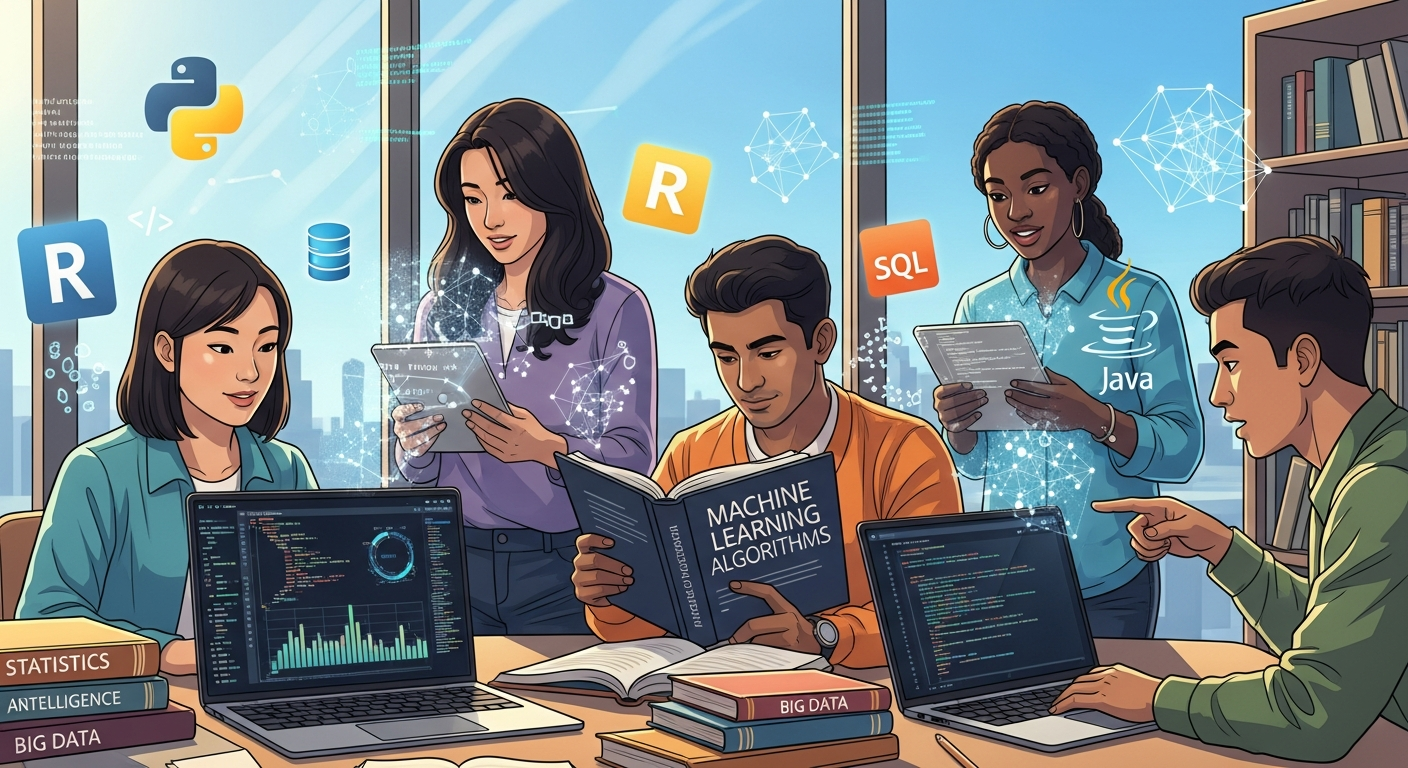 Python, R, and SQL are some of the key programming languages you need in data science. Python is liked because it can be used for many things and has lots of helpful libraries. R is great when you do statistical analysis. SQL is needed to work with databases. You need to learn these languages if you want to get into data science.
Are certifications necessary to get data science jobs in 2026?
Certifications can help you look more skilled and trusted in data science. They make your resume stronger, especially when you want a job in this field in 2026. But, employers often value hands-on work and knowing the area more than certificates. So, it is good to have both real-world experience and some certifications for data science jobs.
How do I build a portfolio for my first data science job?
To get your first data science job, you need to have a strong portfolio. You should show projects that help others see your skills. Use different kinds of data in your work. Add data visualizations and explain your steps.
Talk about how you solve problems in these projects. Let them see what you learn from your work. This will help you stand out in the data science field.
What is the typical career growth path for data scientists?
Data scientists often start out as data analysts or junior data scientists. Over time, they move up to senior jobs and then take on manager roles. As they get more experience, they may choose to focus on things like machine learning or data engineering. Later, they might lead teams and help plan big projects.