




.png%3Falt%3Dmedia%26token%3D1a67e57d-d795-45eb-ba40-3d5834299d46&w=3840&q=75)
How to Effectively Tell Me About Yourself for Interviews
Key Highlights
Here are the key points you should keep in mind for your interview opening.
Your answer to "tell me about yourself" gives a strong first impression.
Interviewers look at your confidence, clarity, and how your answer fits the specific job.
Talk about your present background, your past skills, and what you want in the future.
Always tailor your response to match the job description for the role you want.
Practice your answer so it sounds clear and natural, but do not say the same words every time.
Good communication skills are important, and your body language and tone also matter.
Introduction
The question “tell me about yourself for interview” can sound easy. But this is often the hardest part of a job interview. This is the first time you get to show the hiring manager who you really are besides what is on your resume. A good self introduction can make the interview feel right from the start. When you give a good answer, you show your communication skills. You also show that you read the job description and understand what they want. This guide will help you give a great answer.
Why “Tell Me About Yourself” Matters in Tech Interviews
 This is the first question that the interviewer will ask you. It is your chance to start talking. Hiring managers ask it to help you feel calm and to learn about your work and who you are. This first question is not just to begin the interview. It lets them see you and listen to the way you talk about yourself.
When you answer, you give them a quick look at your qualifications. It helps the other person know what to ask about next. This question works as an early intro to the behavioral questions that can follow. It shows the way you speak and how much confidence you have when you talk.
The Role of First Impressions for Freshers
As a fresher, the first impression you make is important. This question lets you connect with a potential employer and show the energy you will bring to the job. You might not have much work experience, but what you say can tell a lot about your potential. If you speak clearly and feel sure of yourself, it can help you stand out.
Your body language is very important in the interview. Sit up straight. Try to give good eye contact and show a friendly smile. These nonverbal cues help the interviewer see that you feel sure of yourself and that you are in the moment. The interviewer will look at these signals as well as listen to your words.
A good answer shows the interviewer that you take this meeting with them seriously. It shows your professionalism and lets them see that you want to be ready. Every employer likes to see this in people. When you start like this, the whole interview can go well for you.
What Interviewers Really Want to Know
When the interviewer asks you to talk about yourself, they do not want your whole life story. They want the key points that show what you did relates to the job. Try to keep this short and focused on work.
The interviewer wants to know three things. First, the interviewer wants to hear about your qualifications. Second, they ask about your main competencies. Third, they want to see if you will fit in with the company culture. Your goal is to tell a quick story about you. Try to show the skills and experiences that match what this job needs.
Talk about your work journey and say how it got you ready for this specific role. You can talk about your school background. You can include any projects that matter. Also, talk about the real work you have done. This helps them see why you are a good choice for the job.
Common Variations of the Question in HR Interviews
Hiring managers can ask this in many ways. A lot of people hear "Tell me about yourself" in an interview. But you might also get asked to "Walk me through your resume," "How would you describe yourself?" or "Tell me something that’s not on your resume." These are all common hr interview questions for freshers.
Each of these questions is a bit different, but the main idea does not change. When someone says, "Walk me through your resume," they want you to talk about your work and school life. If you hear, "How would you describe yourself?" they are asking more about your ways and how you like to get things done. Your word choice will matter here. Be ready to change your answer to fit what they want.
The important thing is that you should not worry. If you make a strong outline for your story, you can change it a bit to fit any question. When you do this well, you show that you can think fast, which is a good thing for people who are new in their work life.
Key Qualities Evaluated During Your Self Introduction
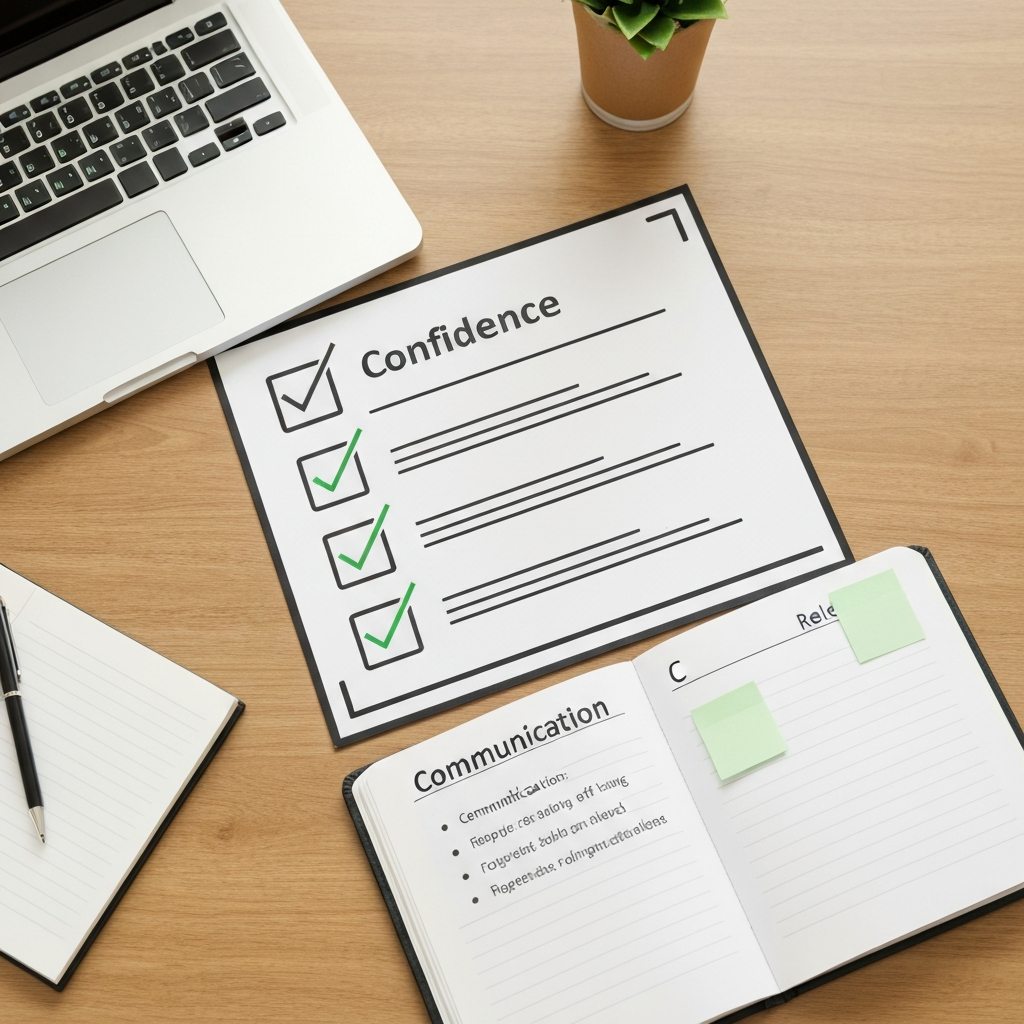 Your self-introduction is like a small show for the people who might hire you. You get only a bit of time, so you have to show a few things about yourself. The main things to show are if you have confidence, if your background fits the job, and how you use your effective communication skills. Talking in a clear way with good communication skills can help you stand out. This is something every company looks for in a person. If you do this well, it can be a good start for your interview.
The way you stand, your body language, the tone in your voice, and the way you say what you want to say all help people remember you. So, pay attention to these things. This will help you show good communication skills, strong body language, and real effective communication.
Confidence and Clarity in Your Answer
The interviewer will notice your confidence and clarity first. When you talk clearly and take short pauses, it shows you are sure of who you are and what you can do. Do not talk too fast or mumble. Take a breath before you start. This will help you feel calm.
Your nonverbal cues are also important. If you keep good eye contact, it can help you make a connection with others and show that you are paying close attention. Try to use open and positive facial expressions. When you give a real smile, people feel that you are open and sure of yourself.
If you practice your answer before, you will feel more ready. You do not want to sound like you have learned it by heart, but remembering your key points helps you speak with clarity. You should go into the interview feeling strong and ready. This will help you make a good start.
Relevance to the Job and Technical Role
Your answer should fit the job you are trying to get. Before you go for the interview, read the job description well. Look for the top skills and qualifications the employer wants. Use your introduction to show them you have what they are looking for. This will help you stand out. Make sure to read the blog if you want to know more.
If the job you want is a technical role, you should talk about what programming languages, tools, or projects you know. Make sure these skills match the specific role. You can also share how your technical background makes you a great fit for their team and goals.
Do not feel like you have to tell everything about your life. Just pick the main experiences and what you have done that matter for this job. When you shape your answer to the job, the interviewer can see you took the time to get ready. They’ll feel you really want this role, not just any other job.
Communication Skills That Impress Recruiters (Communication Tips)
Good communication skills are important. When you talk about yourself, you have the chance to show these skills. What you say is key, but the way you say it can also matter a lot. To do well, be clear, stay on the topic, and keep people interested. You can get better at communication skills if you practice often.
Even if you are the one who will talk, you still need to do active listening when you get ready. You have to know the job description well and answer in a way that fits what the company wants. Show empathy by understanding the problems they want to solve and say how you can help with them.
Here are some tips to help your communication:
Be clear and get right to the point. Say what you mean quickly.
Check your tone. Try to sound happy and excited when you talk.
Pay attention to nonverbal signals, like the way you sit and your eye contact.
Tell a story. A short story can share your idea better than a bunch of facts.
Websites like SocialPrachar help freshers improve their communication skills. You can feel more sure of yourself for interviews. This is a good way to make your first impression strong.
Beginner’s Guide: Preparing to Introduce Yourself in Interviews
To do well in a self-introduction, you need to get ready. When you go to an interview, the first question is important. If you do not have a plan for it, you may lose a good chance. A simple checklist can help you get your thoughts in order. This also helps you talk about all the important things.
After you finish your draft, share it with a trusted colleague or friend. Their feedback can help you make your answer better. They can also tell you if your message is easy to understand. Now, let’s look at what you need to do to get started.
What You Need to Get Started (Checklist for Tech Students)
If you are a tech student, you have to connect what you study in class with real-world practice. This checklist will help you collect what you need for a strong introduction.
Your technical skills have a vital role in this process. Think about the things you get to know in your computer science classes or from any online courses you did. If you have taken an ai engineering course in hyderabad or a machine learning course in hyderabad, you should talk about those as well. These points show you took the time to learn new skills and add more knowledge.
Here’s an easy checklist to help you get started:
Your resume or CV.
The job description for the role.
A list of 2-3 key technical skills, like Python, Java, or SQL.
A few details about one or two big school or personal projects.
Any internship you have done or time you gave to volunteer work.
What you want in your career for both now and later.
Some facts about the company and the things it has worked on recently.
Identifying Relevant Experiences and Achievements
Once you have your checklist, you need to choose your most important experiences. If your previous job was not in tech, you should think about skills you can use everywhere. These might be teamwork, talking with others, or project management.
If you are one of the freshers, your projects are the things that will help you the most. You can ask yourself if you ever led a team for a college project. You can also think about if you made an app by yourself. These things will show the skills you have and your passion for the work. Pick one or two stories that match what the job description asks for.
Try to show what you did, not just what your job was. Do not only say you "worked on a project." Instead, say you made a new feature that helped things get faster by 15%. When you use numbers to talk about your work, people can see the real results. This way, it looks more real. These key points from your story can help you begin your introduction in a strong way.
Step-by-Step Guide: Structuring Your “Tell Me About Yourself” Answer
 A clear and organized answer helps you remember what to say. It also makes it easy for the interviewer to follow you. A simple way to do this is by using the "Present-Past-Future" model. With this way, you talk about where you are now. You share your past work, and then tell what you want for the future.
This way of answering helps you stay on track. It makes your answer sound good and clear. You will also not share any of your personal details that are not needed. Using this, your answer is easy to read and shows your alignment with the job. Here is a simple step-by-step way to make your answer.
Step 1: Start with a Brief Background
You can start by talking about where you are right now. If you just finished school, tell the interviewer about your degree and the university you went to. For example, you can say, "I recently graduated with a degree in computer science from XYZ University." This helps the interviewer get to know you and your background.
Try not to talk about your personal life. Do not tell them where you grew up or what you like to do, unless the job needs to know that. You should start by focusing on your work background. This will help you make a good impression.
This way of starting sounds good. It shows the interviewer that you know what is being asked. You are ready to talk about your qualifications for the job. It is simple and clear when you begin to tell your story.
Step 2: Highlight Key Skills and Education
Next, talk about how your background is tied to your main skills and education. This is the spot to show what makes you a good fit. Bring up special subjects or tech topics that you feel strongly about. For example, you can say, "During my studies, I focused on software development and data structures."
You can also talk about any special training you have taken to help with your professional growth. For example, you can share if you finished a generative ai course in hyderabad or a data science course in hyderabad. This tells the employer that you care about learning. Make sure this part of your answer fits the skills they want in the job.
Here is a simple way to present your skills:
Skill Category | Examples for a Tech Role |
|---|---|
Programming | Python, Java, C++, JavaScript |
Databases | SQL, MongoDB, Oracle |
Tools/Frameworks | Git, Docker, React, Node.js |
Soft Skills | Problem-solving, Teamwork, Communication |
Step 3: Share Practical Exposure or Projects
Now, you should talk about what you have learned and add real-life examples. Share what you did while you were on a job, doing your internship, or working on important projects. This will show the interviewer what you can do, not just what you say you can do. For example, you can say, "I got to use these skills at my previous job during my internship at ABC Corp, where I worked on..."
Talk to the interviewer about one project you worked on. Tell them what you did for that job. You should say if you used any project management tools or systems. This helps show that you can get things done. It also shows you can be a good part of any team.
Talk about what happened because of your work. Did your project fix a problem? Did it help your team reach a goal? When you share a good result, the interviewer can see what you offer. This helps you and your project stand out and makes it easy for them to remember you.
Step 4: Connect Career Goals with the Job Role
Finish your introduction by saying how your goals fit with the specific job. Let the interviewer know why you feel happy about this chance. You can talk about how it matches what you want in the long run. This helps them see you want a career, not just any job.
You can say, "I am looking for a role where I can keep working on my AI skills. I am really excited about the new work your company is doing with AI." This is a good way to show that you have real interest in the job, and that you are a great fit. If you read a blog about their work, you can also mention that to make your answer even better.
It is good to say how you fit with the company culture. You can say, "I like that your company cares about working together and always learning more. I think I would do well in a place like this." This gives a good end to your introduction. It shows you look ahead and feel happy about being here.
Sample Self Introduction Answers for Tech Interview Scenarios
Looking at some examples can help you make your own self-introduction. You should change these templates so they match your story and the specific role you want. A good sample answer should be short. It should stay on the main point and be interesting.
Keep in mind, these are here to help you get started. The best answers show who you are and share your own story. Now, let's look at a few situations so you can see how to use this structure.
Example for Freshers Applying to IT Roles
I just finished my Bachelor's degree in Information Technology. While I was in school, I found out that I like network security and cloud computing. Because of my interest in these areas, I took some online courses to learn more about them.
In my last year at college, I led a team on a cloud storage project for a small company. We made a safe and easy-to-use cloud system. This project gave me a chance to get better at project management and AWS, along with other skills. In the end, we gave the company a working storage solution. It helped them make their data security better by 30%.
I want to use what I learned in school and during my hands-on work in a real job. I have been looking at your company’s work with cloud solutions. I feel this role is a great fit for my project management skills. It also lines up with my goal to get better as an IT professional.
Example for Career Switchers Entering Tech
I have worked in marketing for the last five years. In my job, I used data analysis to help make plans for campaigns. I liked my work, but after some time, I saw that I liked working with data the most. This made me want to go into data science. I just finished a hard ai developer course in Hyderabad to build my technical qualifications.
I learned new skills in Python, SQL, and machine learning in the course. For the main project, I made a model that guesses if a customer will leave or stay. The model was right 92% of the time. Working on this helped me feel sure that I want to do work that is more technical.
I am happy to get this job because I can use my past analytics experience in marketing with my new technical skills. I think these, along with my will to learn and keep up, will bring real value to your team.
Strengths and Weaknesses interview:
How to Address Strengths and Weaknesses in Interviews
You should not talk about your weaknesses right at the start during your self-introduction. But in an interview, you will often get an interview question about your strengths and weaknesses later. It is a good idea to be ready to talk about both honestly and in a smart way.
This interview question is meant to find out if you know yourself and if you want to work on your professional growth. It helps the interviewer see how you take constructive criticism. They also want to know if you are open to getting better at what you do. Let's talk about how you can handle both parts of this interview question.
Safe Ways to Present Strengths for Tech Students
When you talk about what you do well, choose things that fit the job description. If you are a tech student, you can say you are good at problem-solving. You can also say you notice small details, you learn fast, or that you work well in a team.
Don’t just tell what your strengths are—give a short example to show them. If you say you are good at solving problems, talk about a time you found and fixed a big bug in your code. You could say, “One of my strengths is problem-solving. In my last project, I found a big bug that made the app crash. I fixed it, and after that, the app worked better.”
Doing this helps people trust what you say. It shows that you can be a great fit for the job. Always talk about how your skills will help the company and make you valuable in your work.
Approaching Weaknesses with Honesty and Growth
Talking about your weaknesses is not easy, but it can show that you know yourself and want to do well at work. The best way to do this is to pick a real weakness, but make sure it is not a big one. Then talk about what you do to get better and improve.
For someone new, one example is not using a project management tool much before. Another is being too tough on your own work. Do not say things like "I am a perfectionist" or "I work too hard." Give a real answer so you look open and honest.
For example, you can say, "I used to find it hard to do public speaking in front of big groups. To get better, I joined a club at my university. I also looked for times to show my projects in class or at events. By doing this, I feel much more confident now." This shows you know your weakness and are working on professional growth.
This blog example makes it clear that you want to grow and get better at what you do.
Conclusion
To sum up, it's important for tech students to get better at answering the “Tell me about yourself” question. It can help you feel more at ease during the interview process. The way you talk about yourself sets the tone for how people see you. This answer shows your qualifications, your confidence, and your communication skills.
The best way is to talk about your background first. Share the skills you have that fit the job. Then, talk a bit about the things you did before in real life. Show how your work goals go with this job. This helps your hello feel strong and easy to remember for the people you meet.
You should learn safe ways to talk about both your strengths and your weaknesses. This will help you look honest and real. For more tips that can help you, read our blog about good interview techniques!
Hr interview questions for freshers
Frequently Asked Questions
How do I answer “tell me about yourself” in an interview?
When you answer “tell me about yourself” in an interview, use the present-past-future method. Start with your current role. Then talk about your past, but only share things that matter for this job. End by telling them what you want for your future in this position. Keep your answer short and make it interesting.
What is the best self introduction for a job interview?
The best way to introduce yourself in a job interview is to keep it short. Talk about your school background, the skills you have, and some experiences that the company will find good. Make sure what you say is right for the job you want. Show that you are interested in technology. Let the company feel you are excited and ready to help their team reach the company goals.
How long should my interview introduction be?
Your introduction in an interview should be between 30 seconds and two minutes. This is enough time for you to talk about your education, skills, and top experience in a simple way. It will not feel too long for the interviewer. Be sure what you say is interesting and links to the job you want.
What strengths and weaknesses should freshers say?
Freshers should talk about strengths like being able to adjust to new things, always being ready to learn, and working well in a team. When you talk about your weaknesses, talk about things like not having much practice in some areas. Then, show that you are trying to get better by working on coursework or being involved in projects.
How would you describe yourself?
I am a tech student who enjoys computer science. I like coming up with new ideas and solving problems. I have learned a lot from my classes and doing real projects. This gives me knowledge and skills I can use.
What mistakes should I avoid when answering 'Tell me about yourself' in an interview?
When answering “Tell me about yourself” in an interview, avoid these mistakes:
Reciting your resume—summarize your career with a personal touch.
Giving vague answers like “I’m a hard worker”—use specific examples.
Oversharing unrelated details—stay professional and relevant.
Rambling—keep it concise (1–2 minutes) and focused.
Speaking negatively about past employers or roles.
Ignoring the job description—tailor your response to the company’s needs.
Lacking enthusiasm—show genuine interest.
Skipping achievements—highlight accomplishments that show your value.
How can I tailor my 'Tell me about yourself' answer for different job roles?
To craft a strong “Tell me about yourself” answer:
Research the role and note key skills from the job description.
Highlight achievements relevant to the employer’s needs.
Emphasize both soft and hard skills from the posting.
Mention diverse experiences if they strengthen your fit.
Keep your answer concise—under two minutes.
Conclude by connecting your background to your interest in the company.
Examples:
Marketing Role:
“I have five years’ experience in digital marketing, specializing in content creation and social media. At XYZ Company, I boosted engagement by 40% with targeted campaigns. I thrive in fast-paced environments like ABC Corp.”
Technical Role:
“My background is in software development, focusing on scalable web apps with Python and JavaScript. I led a team launching an e-commerce platform now serving 10,000+ users daily. Your work with cloud technologies excites me.”
Administrative Role:
“I’ve provided high-level administrative support for four years, managing schedules and meetings to ensure smooth operations. My attention to detail makes me a great fit for your team.”
our team.”