





Python Course for Freshers: A Step-by-Step Guide
Key Highlights
Here is a quick look at what you will get from this guide:
Python is a great programming language for beginners. The way it works is simple and like English, so even an expert programmer would find it easy to read and write.
A person who learns the basics of Python gets more career options. You could work in web development, data science, and also in AI.
A good Python course teaches the core ideas, how to think and use logic, and gives time for real projects to practice.
If you do not have an IT background, you can still learn Python. People from other fields have learned it and made good tech careers.
With strong python skills, you can get entry-level jobs. This helps you plan for better, long-term career growth.
Can Non-IT Students Learn Python?
Many people say only those in tech can learn programming. But that is not true. Anyone can start, no matter what they do for work or study. Python is really good for new learners. Python’s simple design helps anyone get started. The basics of python are not hard to pick up. People from all jobs can use it, not just those in IT. It’s easy to try, and you’ll see you can learn basics of python faster than you think.
Learning in the beginning can feel tough. But anyone can pick up the basics of python with the right approach and a good attitude. You do not need to let common fears stop you. There are easy ways to learn, and each of us can do it. Even if you never worked with code before, you can still get the skills you need and do well.
Clearing Common Fears and Myths
Many people who do not have an IT background feel unsure about how to learn programming. A lot of them listen to fears and myths that stop them from starting. It is time to clear these up. Python is easy to start with. The rules are simple to read. Python is much simpler than other programming languages.
Let’s look at a few common myths. We will see why these are not true. Myth: You need to be a math genius. The truth is that most beginner Python jobs just ask for some basic math. You only need higher level math if you want to work in data science or scientific computing. It helps if you can think clearly and apply computational thinking. If you are searching for the best beginner-friendly Python course for freshers, "Python for Everybody" by Dr. Charles Severance is widely recommended. This course covers the fundamentals, requires no prior experience, and is perfect for building a strong foundation before exploring areas like data science or scientific computing.
Myth: You need to be a math genius. The truth is that most beginner Python jobs just ask for some basic math. You only need higher level math if you want to work in data science or scientific computing. It helps if you can think clearly.
Myth: You must have a computer science degree. The truth is that employers want to see your practical skills and the real work you can do. A good Python course will teach you the computer science concepts you need.
Myth: Coding is too difficult to learn. The truth is that Python was made to be simple to read and write. If you practice program development and follow a learning plan, you will get better at coding with time. There are also many free online Python tutorials suitable for freshers, making it easier to start learning even if you are new to programming.
Do not let these fears hold you back. The way you see things from your own field can really help in the computer science world.
Learning Approach for Absolute Beginners
Starting your Python journey is good when you go slow and stay with it. The basics of python are the first thing you want to learn. Try not to get into all topics at once. That can be too hard and the work might feel too big.
First, you have to learn the basics of Python. Start with things like variables, data types, and control flow. When you feel good about these, try writing python code every day. You do not need more than 15 to 20 minutes each day. Doing this often can really make a difference. Just keep going and practice, so what you learn about the basics of python will stay with you.
When you feel good about the basics, you can start working with functions and data structures. You can also look at topics like object-oriented programming and deep learning. If you want a solid foundation and a better plan, you can join a good course. For example, an AI engineering course in Hyderabad. This kind of course helps you have a clear way to learn. It makes sure you feel ready before you learn complex topics.
Python for Students with No Coding Experience
If you do not know how to code, do not feel bad. Python is a good programming language for you to learn first. Python is easy to read and use. You can start quick and get the hang of it in no time. This lets you see results fast. It helps people like you stay excited to learn more.
There are many places to learn python basics from the ground up, including a Python specialization. A learning path that starts at the beginning helps more than gathering info from random spots on the internet. A good course will show you each step you need to follow for python basics. That way, you do not miss the important parts.
You need to focus on practical skills. A good program will give you exercises and small projects from the start. You will use what you learn as you go. This hands-on way helps you understand better. It also gets you ready to use code to fix real-world problems.
Who Should Learn Python After Graduation
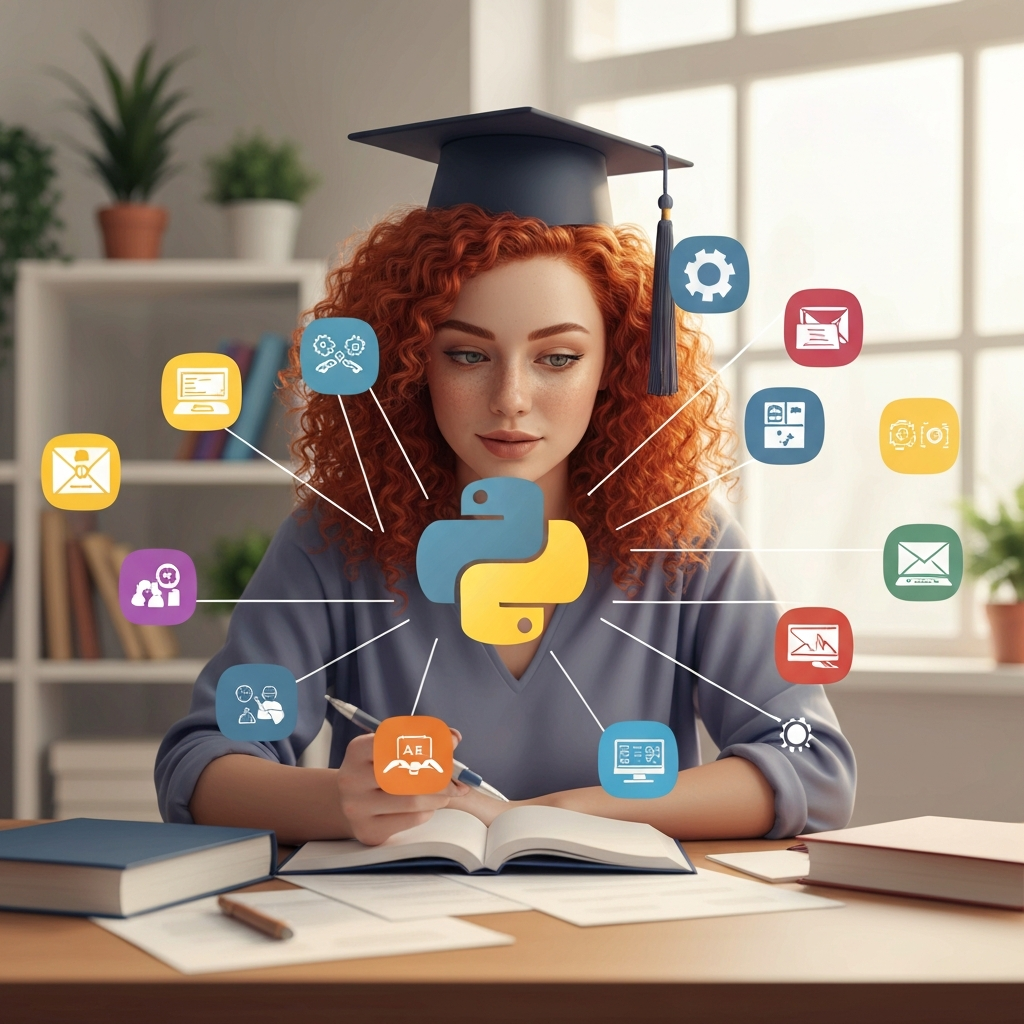 People often say that python programming is only for computer science students. But this is not true. Anyone can learn python, no matter what you have studied before. The basics of python can help all graduates. Python is easy to use. It has a lot of uses, and this makes it good for people who want to work in tech or grow in their career.
It does not matter if you just got out of college, work in something besides IT, or have a job and want to try something new. If you get into python programming, you might find many new chances. Now, let’s look at who can get the most by learning the basics of python.
Opportunities for Fresh Graduates in India
For fresh graduates, looking for work can be hard. If you learn Python, you will get noticed in a good way. A lot of companies want people with practical skills. Python skills are in high demand right now. If you know Python, it can help you land a good first job soon after you finish college.
A Python course for freshers will cover all the basics you need, including transaction processing. You will learn how to use the language. You will also get better at solving problems. This course helps you think in a clear and smart way. Employers want people who can do these things well.
If you have python skills, here are some jobs you can start with:
Junior Python Developer
Automation Test Engineer
Backend Developer Intern
These jobs are a good way to start. They help you make a strong career in technology for a long time.
Python for Non IT Background Students
If you have studied commerce, arts, or humanities, it can feel tough to start a tech job. But Python for non IT background students makes it easier. You do not need a computer science degree to begin with Python. Its code is simple and easy to read. Anyone can start learning, no matter what they studied in school.
There are many people who got started with data science or programming, even when they did not have much tech experience before. What matters most is wanting to learn. You need to think in a clear and logical way. The skills you get from study, like looking at problems and understanding them, are very useful when you work in programming.
Learning the basics of Python helps you cover what you do not know yet, including Regular Expressions for pattern matching. You get ready for a job in tech by doing this. A good course breaks down computer science concepts into small, clear steps. This way, starting a tech career gets easier and feels less tough.
Career Switchers and Working Professionals
Python is a good pick for people who want to start a new job or add new skills, including knowledge of stored procedures. If your job feels slow or you want to join a field that has new things happening, you can learn Python to open that door. A lot of workers put python development skills on their resumes. They do this to get jobs in web development, machine learning, and data science. These fields are growing fast, and you can find more good chances there.
You do not have to leave your job to try Python. You can start using Python while you are in your job now. With Python, you can do the same tasks over and over, but much faster. You can use Python to look at data and help you make good choices. It also lets you make small tools that can help make your job easier. This can help you become a more important part of the team at work.
If you want to change your career, taking a good Python course is one way to get the skills you need. The right course will help you learn what is important. It also lets you make projects that show your work and what you can do. You can use these projects to show a new boss your skills. By doing this, you feel ready and sure when you go to a new job.
Why Python Is the Best Programming Language for Freshers
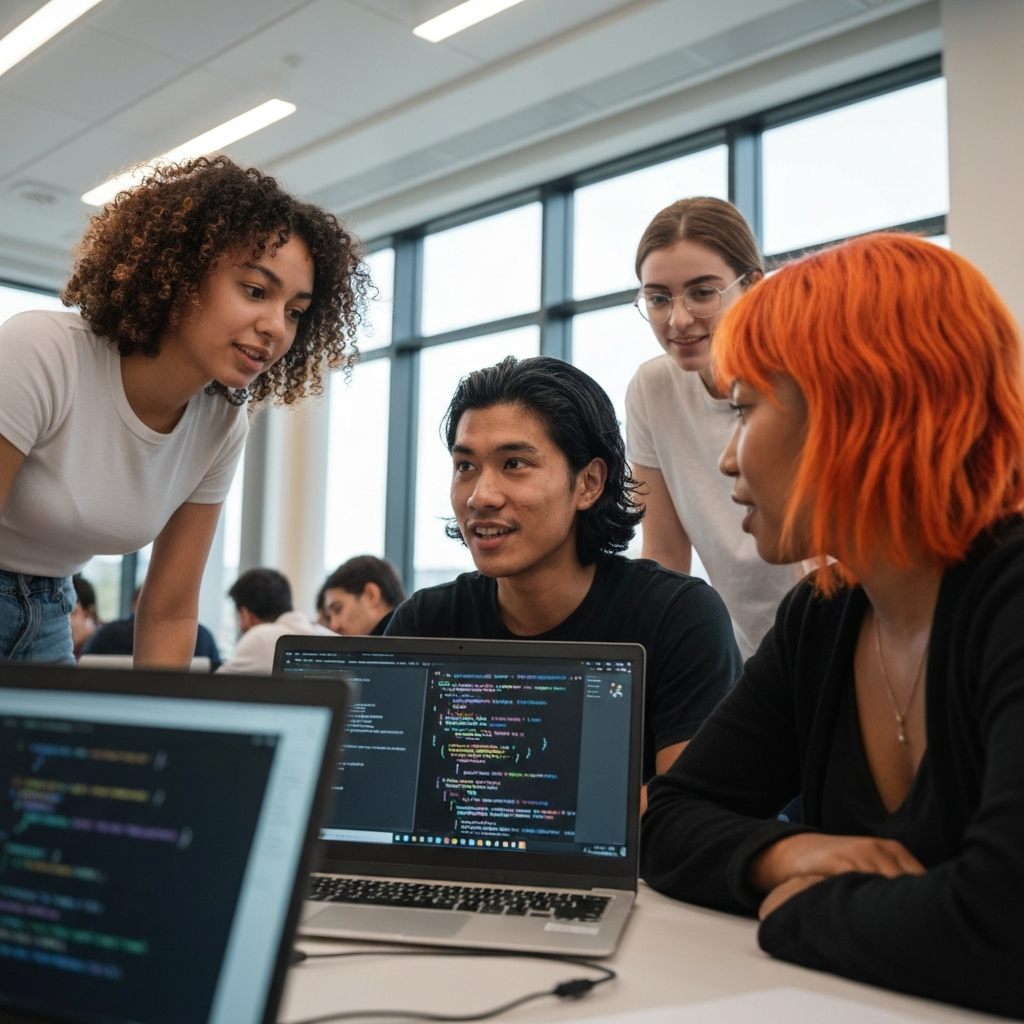 Choosing your first programming language can feel hard. But Python makes it much easier. A lot of people say Python is the best programming language for those who are new to coding. This is true for many fresh graduates too. Python is made in a way that puts focus on easy reading and keeps things simple. So, you can spend time learning how programming works and not get confused by too many rules.
Python is easy to learn and also very powerful. This is the reason many people, both new learners and advanced users, choose this popular programming language. Let’s find out why it may be good for you. We will talk about how simple the code can be, how much it is used where people work, and how the community helps anyone who is learning Python.
Easy to Learn and Beginner-Friendly Syntax
Python is very well known because it is simple for beginners. The basic syntax in Python is clean and easy for people to read. It feels almost like talking with English. Python does not have a lot of hard rules for things like punctuation and structure the way several other coding languages do. Instead, Python uses simple words and spaces to tell your code what it should do. This helps make Python less scary for people who have not tried coding before.
With basic syntax, you can start using Python right away. You don't have to spend much time learning tough rules. You can jump in and make simple programs. You see them work, and it feels good. This helps you keep going and makes learning better.
If you are new, it is good to spend your time learning how to think and figure things out, not just learning the rules. Python can help with this. It gives you a solid foundation in programming, and it gets you ready to learn more in the tech world.
Widely Used Across Industries in India
Python is simple for people to learn. It can be a strong tool for many jobs in cloud computing. A lot of different industries use Python in their work. So, the demand for software developers who know Python is high. Startups and big companies both use Python to build and manage their systems and apps. Because many businesses look for Python skills, there are a lot of jobs for people who know how to use it.
If you have python skills and you work as a software developer, you can get a job in many fields. Some places that need people who know python skills are:
Information Technology and Software Services
Finance and Banking
E-commerce and Retail
Healthcare and Research
Python can be used for many tasks. This can help you have more job options if things change in your field. If you want to work in web development, data analytics, or machine learning, learning Python is a good choice. These skills can help you get a steady job and feel secure in your work.
Strong Community Support for Python for Students
When you start to learn something new, there are people out there who can help you. Python is popular and has a group of kind and active people in coding. The group is made up of developers, teachers, and students from all over the globe. They like to share what they know. They want to help others learn and get better. If you have a problem, you can go to forums, read blogs, or look at Q&A sites for help.
Having this much support is really good, especially for students who learn Python. There are a lot of guides, tutorials, and documents that can help you. A lot of great python courses come from people who know what new learners want and can explain things well.
You do not have to feel lost when you learn with these resources. If you need help with any idea or your code, the Python community will be there for you. They can give you help and advice. So, learning gets easier and better for all of us.
Introduction
Are you a recent graduate and not sure about what to do next? The world of technology might seem hard at first. But you can start out easy with Python, especially through the University of Michigan Programming courses. This is a programming language that is simple to learn. You do not need any coding skills before you start.
Many companies use Python for their work. Some use it to build websites with a web framework. Others use it for data analysis. A lot of places use it for artificial intelligence, too. You can learn the python basics right after you finish school. This is a good first step. It will help you get into a tech job and grow in your career.
Beginner’s Guide: How to Start Learning Python After Graduation

Now that you see why python programming is a good way to go, you may ask how you can get started. The best thing you can do is to follow a simple plan that shows each step. You do not need to buy pricey tools or have a top degree to start.
This guide will help you learn python programming after you finish school. In it, you will find out what you need right now. The guide gives you a simple plan for how to start learning. It also talks about why working on real projects will help you get better at python programming.
What You Need to Get Started (Laptop, Internet, Python Installation)
Getting started with Python is easy and will not cost you much. You do not need a strong or pricey computer to write your first code. The things you need to begin are simple. This makes Python open for all people.
Here is what you need if you want to start to learn Python:
A Functional Laptop: Any laptop or desktop made in the last few years will work. Python will not be too much for it. You don't have to worry about having a new or fast computer when doing basic tasks.
A Stable Internet Connection: You need the internet to read tutorials, check documentation, and get online courses.
A Willingness to Learn: The best things you can have are wanting to learn and working hard.
The Python program does not cost any money. You can get it for free, and it is easy to put on your computer from the official Python website. You will also need a development environment. This is the place where you type and check your code. Tools like Visual Studio Code (VS Code) are known to be very popular. They are free and simple for people who are new. Some programs, such as the google crash course on Python, can help with setting up and show you the best way to start.
Step-by-Step Guide to Learning Python
A clear learning path helps you learn Python without stress. When you follow a simple step-by-step guide, you start with the basics. Then, you move forward to each thing in order. A good Python course for someone new will often use this plan.
This roadmap will help you go from knowing nothing to someone who can make apps with confidence. The steps are small, so it feels simple to follow. Each part will teach you some new skills. With this way of learning, you can see how much you grow, and it will keep you going.
Set up your development environment and learn the core syntax, variables, and data types through our free course.
Stage | Focus Area | Description |
|---|---|---|
1. Setup & Basics | Installation and Fundamentals | Set up your development environment and learn the core syntax, variables, and data types. |
2. Skill Building | Logic and Practice | Master control flow (loops, conditionals) and functions. Solve coding challenges. |
3. Application | Projects and Libraries | Start building small, real-world projects. Learn popular libraries for your chosen field. |
4. Specialization | Career Track | Choose a specialization like web development, data science, or AI and master advanced concepts. |
Step 1: Setting Up Python and Essential Tools
Getting Python and the right tools can make coding a lot easier. Start by getting the newest version of Python from the official Python web site. The setup there is simple and it is good for new people. It is also good to use an IDE, like PyCharm or Visual Studio Code, as your development environment. These tools help with things like showing colors for text, version control, and checking your work for mistakes. If you take time to learn these, you will build a solid foundation for your python skills. These tools help make coding go well, and can also make it more fun.
Step 2: Learning Core Python Fundamentals
Now that you have set things up, it is a good time to start learning the fundamentals of python. This is how you build a strong start for your coding skills. Do not feel you need to rush. If you go too fast, it can be hard to understand things later. Take time with every idea and look at each one closely as you learn.
You should pay attention to the important things that help Python to work. This means you have to know the basic syntax. You should also learn how to use variables so you can keep information in them. It helps to know the data types that you will use. Some of these types are numbers, text, lists, and dictionaries. All of these are key parts in every Python program.
Once you know the basics, it's time to learn control flow. This means you need to use loops and if or else statements. These show your program what it must do at different steps. If you learn the fundamentals of Python well, you will get better at programming.
Step 3: Practicing with Real-World Projects
You can not really get to be a programmer by just reading about it. The best way to know and feel good about what you learn is to try hands-on project-based work. When you know the basics, you have to use your python code in real situations. Try to make some small projects. That is the time when true learning starts.
When you start working on your own things, you will find problems. You will have to debug your python code. You will learn how ideas fit together. Doing this gives you a portfolio. You can show it to future bosses or groups you want to join. These projects show you have skills and can build things that work.
Below you can find some simple ideas to try:
A simple calculator app
A list app for your tasks
A basic tool to get data from a website
A game where you guess a number
Start with easy and small projects. This is a good way to feel sure of yourself. As time goes by, you will be ready to use python code for bigger and harder jobs in the real world.
Conclusion
To sum up, starting to learn Python can help new graduates and people who want to change jobs. Python is easy to use, and that makes it a good programming language for those who are just starting out. You can use Python in different ways and in many areas, like data analysis and data visualization. This helps you build a solid foundation, even if you are not from an IT background. You can learn Python at your own speed and choose what you want to focus on. As time goes on, you will get new skills.
When you look for jobs in data analysis, automation, or even other fields, remember that you need to practice with real projects and query languages. If you give your focus and time, you will get good results. If you want a good job in the future, you should think about taking a Python course for beginners now.
Frequently Asked Questions
What skills will I gain from a Python course as a fresher?
A Python course for freshers will help you get the basics of Python, including concepts of functional programming. You will learn how to build logic and use your new Python skills in real work. As you go through the course, you will work on projects to use what you have learned.
This course will get you ready for jobs in web development, data analysis, and automation, with a strong emphasis on data ethics. You will also get good, practical skills that will help you stand out when you look for work.
Self-Evaluation Tips and Balanced Guidance
To see if you like coding, take some time to think about what you enjoy and what you want to do in your work life. You can try learning a small part from one of the many Python courses that include generative AI to get started. This will help you find out if coding is right for you. If it is hard, you can talk to a good AI training institute in Hyderabad. They will help you and show you the best path for learning to reach your goals.
Is Python the Right Career Choice for You as a Fresher?
If you are starting out and you like to solve puzzles, Python is a good choice for you. This is a programming language that is simple to pick up. You can use it in many ways. If you know the python basics, you can get a steady and good job in tech. Learning this can give you a strong start and help you make a better future.
Long-Term Growth and Skill Expansion Paths
Python can help your career to grow over time, especially when using agile methodology. When you have more experience, you can use your python skills to get better jobs. You can move up to roles like lead developer, machine learning engineer, or data science manager. This way, you keep learning new things and grow in your job. These fields in machine learning and data science have good chances for people to get ahead.
Entry-Level Opportunities and Job Roles
If you have python skills and you are new in this field, there are many entry-level jobs you can get. The jobs many people get are junior python developer, associate data scientist, and QA automation engineer. These roles help you get good experience. They also help you start working in tech and build your career in this area as a python developer or data scientist.
Python After Graduation: Career Growth in 2026
The need for python programming will be strong in the coming years. So, there will be good chances to grow in your career in 2026 and after that. If you keep learning and follow new trends, you can move up fast. A person may get a start with an entry-level job, then get to higher roles with the right skills. These new jobs will ask you to do more. They also give you better pay.
Specialization Stage: Choosing Your Career Track
When you know Python well, you can choose the field you want to work in. You might want to be a python developer, a data scientist, or work with AI. The key is to pick one area and really get to know it. This will help you get a job later and make your chances better.
Python Career Options After Graduation
When you finish school, python skills can help you get a lot of jobs. You can work as a python developer. You can also find a job in software testing or automation. If you want, you can be a data analyst too. Python skills are good to have in many fields. You get to choose the job that matches what you want for your future in tech.
Skill-Building Stage: Practice and Mini Projects
In the skill-building stage, you practice what you know. You work on coding challenges and small projects. By the end of the course, when you write your own Python code, you make simple applications. This helps you get a feel for the programming language. It’s also a good way for us to get hands-on experience.
Beginner Stage: Fundamentals and Syntax
The beginner stage is where you start learning and practice the basics of Python strings. At this point, you get to know the basic Python syntax, variables, data types, and control structures. This part is very important because it helps you build a strong base. It is good to take your time, so you really understand these ideas about Python basics.
Python Learning Path for Freshers
A good way for freshers to learn is to follow a simple path. Start with the fundamentals of python. After that, practice often to build your skills. Once you feel good about the basics, you can pick one area to go deeper in. This beginner-friendly plan helps you have a strong base. It also gets you ready for jobs in the market.
Pathways to Data Science, AI/ML, and Backend Development
If you want to work in data science, machine learning, or backend jobs, you need to have strong python skills with devops tools knowledge. Python is the main language used in all these fields. If you build a good base with it, you can join training like a machine learning course in Hyderabad. This will help you get a job in these fast-growing areas.
Entry-Level Jobs: Python Developer, Data Analyst, Automation Roles
If you have python skills, you can try to get some starting jobs. You can be a junior python developer. In this job, you help make apps and work with version control systems. You might also get a job as a data analyst. Here, you look at data and find what it means. There are jobs in automation, too. In those, you use python to write scripts and to make work faster. These jobs are a good way to start your career in tech.
Python for Career Switchers and Skill Expansion
Python is a good choice for those who want to switch careers and work in tech. With Google IT Automation using Python skills, you can get what you need for jobs in data science, automation, and AI. If you know Python, it can be easier for you to start a new job or do better in your current role.
Project-Based Learning and Real-World Use Cases
Project-based learning is good because employers want people who can get things done. When you work on real-world tasks, you learn how to write python code for things like web development and data analysis. This helps you build a good portfolio so you can show your skills are about more than just knowing the theory.
Logic Building and Hands-On Practice
It is important to practice logic building and work with your hands to get better at Python. When you write python code to solve different problems, you start to think more like a programmer. This also helps you get better at problem management. The best courses will give you lots of chances to work on practical exercises. This makes sure you can use what you have learned in real situations.
What Should a Python Course for Freshers Include
A good Python course for freshers starts with the basics of Python and includes important concepts like unit testing. It will help you to build logic and lets you try some hands-on projects. The course content should show you the most popular libraries. It should give you a clear path if you want to know more about web development, data science, or machine learning. This way, you will be ready for many career opportunities.
How long does it take for a fresher to learn Python?
A person who is new to coding can learn Python basics in only a few weeks. But, to get good with this programming language for a job, it will usually take about three to six months if you practice often. The time you need will depend on how much you practice, the way you choose to learn, and how much you work on projects, including web applications, with this programming language.
Are industry-recognized certificates available for Python after graduation?
Yes, the trusted python courses often give you a certificate when you finish. The certificate will show that you learned new skills and put in hard work. When you choose a course, make sure it gives what employers look for. A course with industry-recognized credentials can add value to your resume. It can also help you get noticed by employers.
Is Python a good choice for students from non-technical backgrounds?
Yes, Python is a good choice for people who do not have a technical background. The language is simple and clear. Python looks a lot like English. It is one of the easiest programming languages you can learn now. A good course will teach you the python basics and cover all the important course content from the very beginning. You do not need to know anything about computers before you start. This way, you get a strong base in Python.
Best place/course for an absolute beginner to learn Python?
For absolute beginners, a highly recommended option is the "Python for Everybody" online course offered by the University of Michigan on Coursera. This course provides a comprehensive introduction to Python programming, focusing on practical applications and hands-on exercises, making it ideal for freshers eager to learn effectively.