





.png%3Falt%3Dmedia%26token%3D42a7134e-8d97-4615-8417-cd4ceba55f5a&w=3840&q=75)
Job Oriented Python Course: Essential for Fresh Graduates
Key Highlights
A job oriented python course helps you learn the skills that companies look for. It teaches you things you will use at work, not just ideas. Learning python programming by doing things is very important when you look for a job. When it comes to job placement, certifications such as the PCEP (Certified Entry-Level Python Programmer) and PCAP (Certified Associate in Python Programming) can help demonstrate your python programming knowledge to potential employers. These certifications are well-recognized and give you an edge during the hiring process.
Learning python programming by doing things is very important when you look for a job.
Making a python project for your portfolio shows that you can use your knowledge in practice.
You need to know data structures and algorithms well. It is a must for technical interviews.
This guide shows the way from learning the basics to getting a job in areas like web development.
Doing internships and getting ready for placements is something you cannot skip if you want to be job-ready.
Introduction
Are you thinking about starting your career in the tech field? Python is one of the most popular skills to have now. Learning a programming language like Python is good, but it is even better if you get a job with it. This guide is for beginners who want to do more than just learn Python programming. We show you what a job-focused course looks like, why it is important, and how you can use it to build strong Python skills, including understanding how to work with generator objects. If you have these Python skills, you will have a good chance to start a great career.
Why Freshers and Beginners Choose Job Oriented Python Courses
 Many new graduates, and people who want to switch jobs, often feel that college does not really get them ready for a job search in software development. There is a big gap between what you get from a classroom and what you do in real job tasks for software development. A job oriented python course can help what is missing and give you the skills you need.
This type of course helps you learn web development skills by doing real work. You need these skills for many tech jobs. It can make it easier for you to start working in tech. We will see why many people who are new to web development choose this kind of training.
Industry Expectations for Entry-Level Python Roles
When a company looks to hire for an entry-level python developer job, they want you to know more than just starting out with python coding. You should be able to write clean code that is easy for others to read. You need to know about things like object-oriented programming, too. Also, you should understand how to make an instance of the child class whenever it is needed.
The people who offer jobs want to see skills that help make their work better. You need to show you can fix problems using code. You should be able to work with data, and know how to build software from the start to the end. It is not enough to just have Python listed on your resume. You should show you can use it in the real world.
Key expectations include:
Strong skills in solving problems.
Have worked with the right libraries and frameworks.
Can write and fix code on my own.
These are the skills that a job-focused course will help you learn. If you get these skills, you will be a much better choice for the job.
The Skill Gap After Graduation in India
In India, many engineering and computer science courses focus on theory. They do not teach enough hands-on skills for working in the software development industry. A lot of students have knowledge of python, but struggle to use it for real job tasks. This makes a "skill gap." Because of this, it is hard for them when they go to get jobs.
Recruiters see this issue all the time. They want people who have tried to learn and practice skills on their own. Companies are looking for people who can work right away in jobs like data analysis or another tech field. If you only stick to what you learn in college classes, you might not get the best jobs out there.
It is good to practice before you try for job placements. You can find many websites that have Python multiple-choice questions. These let you see what you know from books. But if you want to show that you can really use your skills, try solving some real coding tasks.
Importance of Hands-On Exposure for IT Placements
Having hands-on practice is very important to do well in IT placements. If you show a python project on your resume, recruiters see that you can use book lessons in real life. This proves that you can do the work, not just read about it.
When you work on a project, you learn to handle data structures better. You learn how to put in, change, and use data on what you build. This practice makes it easier for you in an interview, because people may ask you about it, and you should be prepared to discuss the key difference between various data structures.
Hands-on work helps you in a few ways:
You can put together some project examples to show what you can do.
You will get to know the programming language better.
You can talk about these projects in your interviews.
If you want to get ready for placements, you can try making projects. A few good ideas are a simple web scraper, a script that helps you do work tasks, or a basic dashboard for data analysis. These projects can help you learn the skills you need.
Beginner’s Guide: How to Start Your Journey with a Job Oriented Python Course

Are you set to try out python programming? You do not need much to get started. This course is set up for the job, and helps you learn the way that works. You will begin with simple things, like how to create a new object through a function definition. After that, you will go on to build apps that are harder. You can finish every step one at a time.
In this part, you will see the important things and tools you will need. We will show you what you should do to do well as you learn Python. The main goal is to help you get a job in the future.
What You Need to Begin – Device, Internet, and Basic Computer Knowledge
Getting started with python programming is easy. You do not need the best computer. You do not need years of practice. Most people already have what they need. The steps are clear, so anyone can begin.
You will need to have a regular laptop or a desktop. You also need to have a reliable internet connection. If you know some basic things about computers, like how to browse and manage files, you are ready to go. You can start even if you have no knowledge of Python yet. A good course will teach you everything you need. This includes how to use the Python installer package, called PIP, for adding and using libraries, such as the random module.
Here’s your starting checklist:
You need to have a computer that works well. It can be Windows, macOS, or Linux.
A steady internet is important for this.
Be ready to ask questions and stick with it if you want to learn.
Many places on the internet help you learn python programming. There are classes at SocialPrachar that teach you how to use python programming and can help you find your first job. These courses will be with you as you learn and look for work.
Resources for Python Learning – Platforms, Books, and Communities
Taking a set course is the best way to learn for a job. Still, you can use other things with your main study, like a lambda function, to help you learn more. There are many people and tools out there to help anyone learning this programming language.
You can read helpful guides and simple documentation for many python libraries like NumPy and NumPy array libraries like Pandas. These are important if you want to learn data science. You can also use places online like Stack Overflow or Reddit to ask questions or get help when you have trouble. If you want to practice, you can use an online python interpreter to write your code.
Helpful resources out there are:
Go to the official Python documentation if you want more info about global variables. It will help you learn the things about Python that may not be covered in basic guides.
Books like "Automate the Boring Stuff with Python" can help you learn by showing ways to use Python day to day.
Use online coding platforms to practice coding. This will get you ready for interviews and make you better at coding.
If you want interview questions, you can go to GeeksforGeeks and LeetCode. A lot of people use these sites. They are good for tips, practice, and help you get ready before your interview.
Step-by-Step Guide to Becoming Job-Ready with Python

To be a python developer, you need to learn more than just how to write python code. It takes time, and you go through several stages. You have to learn new skills and work to solve problems. You need to practice on real projects as well. Getting ready for interviews is also part of this. When you follow a plan, it helps to keep you focused and makes sure you do not miss anything important.
This guide shows you each step to take, one by one. If you follow these steps, you will get better at web development and data structures. You will feel ready to go for your first job in the field.
Step 1: Build a Strong Foundation in Core Python
The first thing you have to do is learn Core Python well to develop a solid understanding of Python concepts. This is very important. All your other skills in Python programming will come from this point. If you try to go fast and skip the basics, it can make things hard for you later.
Make sure you know the basics of the programming language and understand the global scope. You need to learn the main rules, how to use variables, and the most used data types. A few common data type options are lists, tuples, dictionaries, and sets. Try to feel good about making easy scripts. You should see what your code does by running it. Right now, get used to the tools and ideas in what you will use.
When you have a good base in python programming, you can read code and write code. You can also fix some basic code when there is a problem. This helps you feel sure about what you know. After this, you can look at new things related to the parent class. You can begin to use your code to help solve real problems.
Step 2: Master Logic and Problem Solving Skills
After you know the basic rules of coding, the next thing is to work on your logic and problem-solving skills. This is what sets a coder apart from a programmer. You have to learn to take a big problem and break it up into smaller steps. Then, you turn these steps into real lines of code.
At this time, you begin to know what control flow is. Control flow is what helps your code decide the order of steps. You learn to use loops like for and while, and you might also discover concepts like list comprehension. You also use conditional statements such as if and else. These make your code choose what to do next and repeat what needs to happen.
The best way to get better is to practice a lot. It's good to try small coding puzzles and little problems. The aim is to help your mind think in a clear way and to be logical. When you solve more problems, it gets easier for you. You can then plan what you want to do and write good lines of code.
Step 3: Work on Python Real Time Projects
It is important to know the basics, but working on a python project, especially with concepts like a derived class, is what helps you get hired. After you learn the main ideas, try to make a python project. This is where what you learn becomes real results. You can then show these to people who may give you a job.
Pick projects in web development, data processing, or something you like. When you choose work that makes you feel good, it's easier to keep going. The best projects for job interviews fix real problems, even if those problems are small.
Here are some beginner ideas:
A web scraper that takes information from a website.
A simple blog made with Django or Flask.
An app you can use to keep track of your money or tasks.
These python projects show that you can make a plan, work on it, and finish the job.
Step 4: Get Familiar with Git and Essential Tools
In a workplace, you will not be the only one working on code. You will be in a team with other people. This means you need the right tools to work together, keep things moving forward, and not lose your progress. One of the best tools for this is Git. Git lets you keep track of changes in your code.
When you learn how to use Git, you will find that it is easy to work with other people. You can also go back to an old version of your code if you need to. Git helps you manage many parts or features at once. A lot of companies use Git. So, it is a skill you should have if you want to be a developer.
Along with Git, you also need to know how to use an Integrated Development Environment (IDE) for programming in an interpreted language. A few common ones are VS Code and PyCharm. People use these tools because they help you be faster and make coding easier. With an IDE, you get help like syntax highlighting and tools to find errors. If you know how to use an IDE and write things like an import statement, recruiters feel you get how work goes in the real office, no matter if it’s a small fix or a big project.
Step 5: Participate in a Python Internship Program or Project Simulation
An internship is a good chance to get real-world experience. You move out of the classroom and start working in a software development job. You work on a live python application. You work with senior developers, and learn what the job is like each day and how things get done.
If it is not possible for you to do a full internship, you can do a project simulation. A project simulation be a good choice for you. A lot of job-focused courses give practice internships. You and your team work on a data science or development task, but it is in practice. Working this way can be very helpful for your resume.
There are places where you can find internship roles. You can look on job sites like LinkedIn. You can also go to the company career pages, or get help from your training institute's placement cell. This work is a big step for anyone who wants to move from student life into a real job.
Step 6: Prepare for Python Placement Rounds and Interviews
The last step is to be ready for the placement process. At this point, you have to do more than just know python coding. You need to practice answering interview questions. Try to handle problems, even when you feel stressed. Make sure you show yourself in a good way.
Practice is key. The more you look at lists of the most common interview questions, the better you will feel. A lot of these questions talk about data structures and how object-oriented code works. Take part in practice interviews with others. In these practice interviews, you practice answering interview questions and get advice. This helps take away nerves. When the real interview day comes, you feel ready and do better.
Placement prep should cover your resume. You also need to practice talking with a group and do basic skill tests. If you join the right job program, it will have all this. This helps you get ready for meetings with recruiters and get the job you want.
The Role of Python Real Time Projects in Placement Success
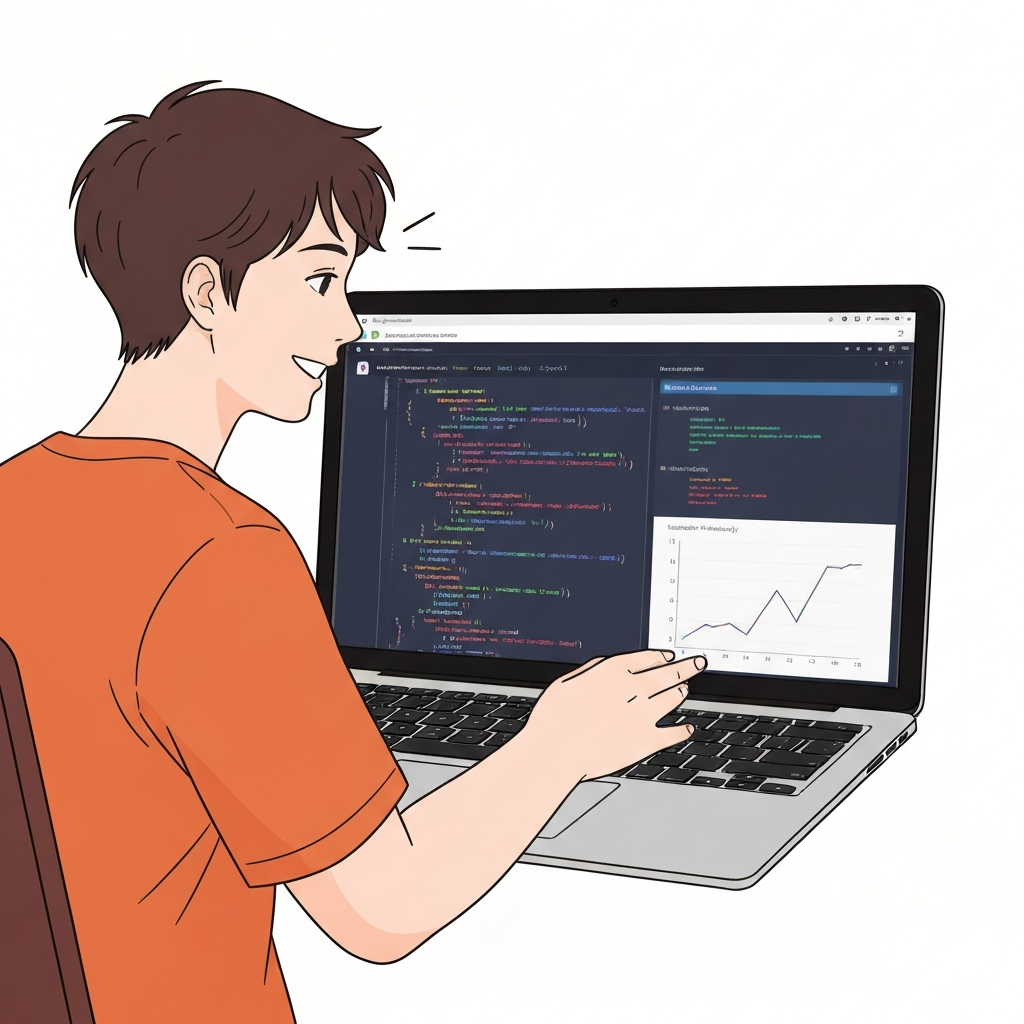 If you want a job in software development, having a python project is good for you. It lets people see what you can do with what you know. You get to show something real that comes from your work. People who give jobs will like to see what you have built, not just what classes you have taken.
You can use Python to make simple scripts or bigger web applications that may involve anonymous functions. Building these projects shows that you know about data structures and logic. It also helps you learn how development works from start to finish. These projects look good on your resume. They can make you feel ready for interviews too.
Why Real Time Projects Are Important for Your Resume
Your resume is the first thing a boss will read. When you are looking for a job, most hiring managers will only look at your resume for a few seconds. If you put a good python project in the “Projects” section, you can stand out from the rest during your job search.
When you add a project to your resume, the boss can see that you really care about your work. It shows that you took time to do more than the regular class lessons. A project is a good way to show what you can do, and not just list some technical words.
Having a project on your resume:
Shows you can do the real work.
Gives the boss something to say to you in the interview.
Makes you look better than people who only know things by reading about them.
Remember to add the link to your project’s code on a site like GitHub. This helps the boss see your work.
Types of Beginner-Friendly Python Projects for Placements
Choosing the right python project matters. You need one that is hard enough to stand out. But, it should not be too hard, or you may not get it done. The best python project will match the type of job you want. This helps you show skills that are needed for the role.
If you want to learn about data analysis, you can work on a project where you get data, clean it, and show it in charts or graphs. This is a good way to practice important skills. If the role you want is in machine learning, you can build a basic model that predicts results. A project in software testing where you make simple tests run by themselves also helps show skills many people want to see.
Here are some ideas for different domains:
Domain | Beginner-Friendly Project Idea |
|---|---|
Web Development | A simple e-commerce site or a personal blog with Django. |
Data Analysis | Analyze a public dataset (e.g., from Kaggle) and create visualizations. |
Automation | A script to automate sending emails or organizing files. |
Machine Learning | A sentiment analysis tool for movie reviews. |
How Projects Help in Building Confidence for Interviews
Interviews often make people feel nervous. This is common when you need to answer tough interview questions. But if you have a project you built on your own, you feel more sure of yourself. You get to talk about what you learned during your coding journey. When the interviewer asks questions, you can tell them how you faced the same problems.
Instead of giving simple or short answers from a book, you can talk about the real things you did. You can tell the interviewer why you chose the library, how you fixed a tough problem, or what you might change if you try it again. Sharing these things shows you really know what you are doing.
Feeling this kind of confidence is good when you get ready for coding rounds. If you make a working app, it helps you see each step of a big problem and write code while people watch you. Your project lets you share your story. You get to show what you can do, from writing small code to working with artificial intelligence.
All About Python Internship Programs
 A python internship is a good way for any fresher to start their job search. It helps you move out of the classroom and into the real world. You get real practice and work with other people in software development or data science. When you put an internship on your resume, it makes you stand out for recruiters.
This type of experience helps you build up your technical skills. It also shows you how to work with other people on a team. Plus, you learn to use soft skills that are important for working with others. Let’s go over why doing an internship is helpful. It can make you feel more ready for your first tech interview.
Internship vs Course-Only Learning: What’s Better for Jobs?
Taking a course helps you learn the basics you need, including instance attributes. A python internship gives you real-world practice that you will not get from the course alone. In the course, you learn all the ideas. At the internship, you have to use those ideas on the job, work with deadlines, and work with other people as part of a team.
In an internship, you do more than basic jobs. You work on hard tasks, such as making data processing pipelines or working with big groups of code. This is what employers want to see when you start a job search. It shows you are ready for work that matters. A lot of online courses understand this and try to help you find internships. Some even give you help with your job search.
An internship will give you:
Real-world project experience that you can add to your resume.
A chance to see how teams work. You get to use tools that are common at the job.
New ways to meet people. Connect with people who have lots of coding experience.
If you want to be ready for a job, the best way is to take a good course and do an internship.
Skills Gained from a Python Internship Program
A Python internship program helps you learn new skills that go further than python programming. You get to work in a real software development team with source code exposure. Many companies want people who have this skill when they hire.
You will work on code that is already in place. You also learn how to spot and fix mistakes in it. You practice working with others in your team by using version control and understanding access specifiers. This lets you share and change code together. You find out what goes on in every part of a project. It starts at planning and goes all the way to when the project is ready to use. You will also get to use many python modules and libraries that the company works with in their projects.
Key skills you get include:
Technical Skills: Get better at coding, test the code you write, and spot problems fast while you work.
Collaboration Skills: Learn how to use Git and work well with your team.
Professional Skills: Use your time well, explain your ideas in a clear way, and fix issues quickly.
You will finish the program knowing more and feel more sure about what you can do in software development.
How Internships Help Freshers Crack Python Interviews
Having an internship on your resume can make you stand out in an interview. You don’t have to only talk about theory or answer interview questions with simple answers. You can share true stories from the time you were an intern. This makes your answers feel real and lets you be more interesting to the people interviewing you.
When the person interviewing you asks if you have worked with python coding or web development, talk about a project you did or a problem you worked out. Say how you were part of making something or how you solved an issue. This helps them see what you know and what you can do. Be sure to give an example, because this works better than only showing a certificate.
An internship gives you a place to practice and learn. You build work that you can show and feel more ready to talk about it too. You can look for an internship on job boards. You can also try company websites or ask for help from the people who train you. This helps new workers get their first full-time job in most cases.
Python Placement Preparation Strategies
Knowing Python is just one thing you need. You must have a strong plan to get through each step of placements. Good preparation is more than working on your python coding. You should make a strong resume. Know how to handle interview questions with skill. Do your best in your technical tests.
It is good to make a clear plan for every step when you go for the job. It can help you a lot. You should practice for each round. Start with the first test on aptitude. Keep going to the last HR round. These steps can guide you. They help you stand out from other people.
Creating an Impressive Resume with Python Experience
Your resume is the first thing that most employers see. A hiring manager will look at it for only a few seconds. If you add a Python project in your "Projects" section, it can help you stand out from other people.
Talking about a project on your resume lets people know you take action and have hands-on skills, not just knowledge from classes. It shows you can do things and put your know-how to work, not just talk about the technical stuff.
Benefits of including a project:
Shows that you use your skills in real work.
Interviewers have something real to talk about.
You stand out from people who only know theory.
Be sure to put a link for your project's code on GitHub. This way, employers can have a look at what you made and how you work.
Practicing Python Interview Questions for Placements
Getting set for interview questions is important in your job search. A lot of technical interviews for python programming jobs talk about many things, including the standard library. These questions can be easy or the ones that make you really think. If you practice and plan well for the interview, you will be more likely to do well.
Start with the main points about Python, including its local scope. Be ready to talk about how a list and a tuple are different. You should know the way Python uses memory and what object-oriented programming means. You might get questions like, "Is Python compiled or interpreted?" or "What is polymorphism?" These are things many people ask about.
Along with knowing the basics, you need to do coding practice. Work on tasks that use data structures and algorithms. You can find these tasks on websites. When you practice with diverse test cases, you get better at typing clear code, even when you do not have much time. You also learn to show how you solve the problem. Interviewers look for this in python programming interviews.
Mock Interviews, Coding Rounds, and Online Assessments
Real practice is important when you want to feel sure of yourself. Mock interviews help you feel the same as a real interview. You practice questions, get feedback on what you do, and see what needs to get better.
Many companies look for new people for software development jobs by giving them online tests first. In these rounds, you get a set time to show how good you are at python coding and to solve problems. The best way to get better at these tests is to practice a lot.
To get ready, you should:
Take part in as many practice interviews as you can.
Work on coding tasks by using websites like HackerRank or LeetCode.
Use a timer when you practice, so you get used to being under pressure.
This practice can help you feel good. You may feel more sure of yourself when placement day is here.
Tips to Excel in Practical Python Coding Tests
Practical python coding tests look at how well you solve problems. They do not just test if you know the rules of python, including the use of the pass statement. To do well at these tests, you need to know the main ideas and have a clear plan on how you will work through each problem.
First, you need to know data structures, like Python lists, dictionaries, and sets. You should be able to use them in easy steps to solve problems. These tests often ask you to choose the best data structure to solve things in a smart way. If you practice more, you will get better at it.
When you spot a problem, do not rush to start writing lines of code right away.
Make sure to read the problem fully. Find out what you need to do.
Try to spot any hard or confusing points. Plan your answer before you begin to write.
Write clean lines of code. If anyone asks, tell them why you made each choice.
This way of thinking can help you do well at work, even if you feel stress. It may let you be the best you can be in any moment.
Career Paths After Completing a Job Oriented Python Course
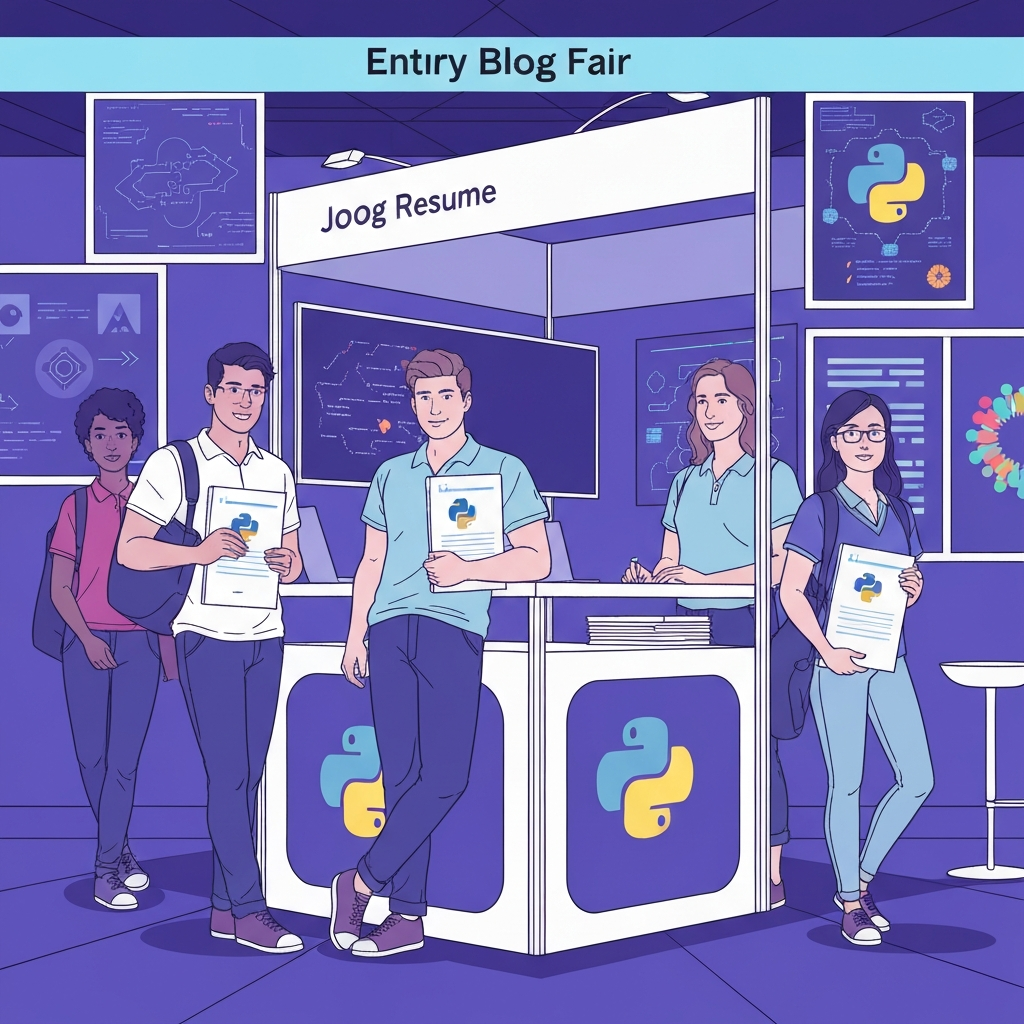
When you finish the job-oriented Python course, you have the chance to get many good jobs. Python is used in some top fields, like web development and machine learning, which can accept a large number of arguments. You do not need to work in just one type of job. You can choose a role that fits what you like the most.
You can learn to be a python developer and make websites. With python skills, you also can work with data and be a data scientist. Python lets you try out many jobs in the AI field too. So, if you know Python, you have many ways to start your career. Here are some top career paths for new people with python skills.
Python Developer and Junior Backend Developer Roles
One of the best ways to begin your career is to be a python developer or a junior backend developer. In these jobs, you work with web applications on the side that users do not see. Your work makes sure the website keeps running for people on the front end.
You will work on writing code that connects to databases. You will also build APIs using Django REST framework, which help different programs talk to each other. You need to make sure the application is fast and can be used by many people at the same time. It is important to know backend tools like Django or Flask really well for these tasks.
To do well in this job, you need to know the basic Python ideas, including its private heap space for memory management. You should be able to use different data type needs too. You also have to build code that makes sense. This is a good job if you want to work on the key parts of software for web applications. Many people feel happy working this way.
Automation Engineer and Data Analyst Opportunities
Python is good for software testing and unit testing in data analysis. If you are an automation engineer, you use Python to write scripts. These scripts help you with tasks you often do. They make things like system work, entering data, and testing software easier. The goal is to help you get work done faster and do less manual work.
If you work as a data analyst, you need to know Python. The language comes with tools like Pandas and NumPy, which are crucial for high performance in data processing and data analysis. You get the data, clean it, and look at it. You find facts that a company can use to decide what to do after.
For both jobs, you need to be able to see problems and think of ways to solve them. If you want to get your work to run better and spot patterns in data, one of these jobs may be good for you.
AI / ML Foundations and Entry-Level Positions
The fields of artificial intelligence and machine learning are growing quickly. Python is the main language people use in this work. A job-focused course can help you learn the basics you need for a job in this area. When you begin, you will likely help data scientists and ML engineers with more experience.
You may need to clean and change data before you use it. You may have to train simple models too. Many people use python libraries like Scikit-learn and TensorFlow for this in their work. You will also check how well these models work. This is a great way to start learning about AI. If you want to know more, think about joining an ai engineering course in hyderabad or a generative ai course in hyderabad. You will learn more about the tools and skills you need.
To do well in AI and machine learning, you should:
Get good at handling data using tools such as Pandas and NumPy, including reading a CSV file.
Learn the main rules for machine learning.
Make projects where you use predictive modeling.
Many good places, like the ai training institute in hyderabad, give you classes that help you get ready for a job as an ai developer course in hyderabad.
Conclusion
To sum up, a job-oriented Python course can be a smart choice for anyone trying to start in the tech world. The best courses show you how to use Python on real jobs, including working with a block of code. They give you a chance to work on hands-on projects and also offer chances for internships. This helps connect what you study with the skills you need when you work. Good courses prepare you for job interviews and help you learn what employers are looking for. That way, you feel ready to enter the job market. It does not matter if you are new, in your final year of school, or want to change jobs. The right course can help you move in the right way. Start checking your choices now and pick the one that fits what you want for your career. Take that first step and get ready for jobs with Python.
Frequently Asked Questions
What are the most common Python interview questions asked in placement tests?
Many interview questions will be about the basics of python programming, including concepts like the static method. You may get asked about data structures. For example, they might want to know if you know the difference between lists and tuples. Interviewers could also ask questions on control flow. They may want to talk about key things in object-oriented programming, like how to make an instance of the class and what it means to use polymorphism. Some interviewers will also ask about memory management. Be ready to know the difference between generators and iterators as well.
Can you suggest Python projects suitable for placement preparation?
If you want to make a good python project, you can try a few fun ideas. You might build a simple e-commerce site by using Django for web development. You may use Pandas and Matplotlib to make a dashboard that shows data analysis and data manipulation in an easy way. If you like machine learning, you could create a basic model that finds out how people feel from their words. A web scraper is also a nice project idea for data processing tasks. These project options let you show your skills in machine learning, web development, data processing, and data analysis.
Where can I find internship opportunities for Python learners?
You can look for a python internship on job search platforms such as LinkedIn and Internshala. You may also check the career pages of tech companies. Your university's placement cell can be helpful as well. Many job-focused courses offer placement help and project work, which helps you get better in your coding journey.
How should I prepare for Python coding rounds in placements?
To get ready for python coding rounds, you need to know data structures and also algorithms. You should spend time on practice by solving problems on websites, like LeetCode or HackerRank, including tasks like reversing a given string. Your focus should be to write code that is easy to read and works well. Be ready to talk about how your code works and what each part does, from a basic function definition to a larger algorithm, just like you would explain in an interview.
How to Choose the Right Job Oriented Python Course for Your Career
Pick a course that matches your job plans in web development or data science. Make sure this course teaches hands-on python programming. You should get real projects to work on in the course. Also, check if they help you with your job search. They need to teach the programming language the same way people use it for work in the real world.
Checklist for Selecting the Best Python Course for Job Readiness
You need to choose a course that has topics people want now, like machine learning. The course must let you work on a python project, so you can show it on your resume. It should help you get ready for placement, and give you full support.
The program has to help you practice interview questions and fix up your resume. It also helps if you have a mentor from the industry who can give you advice while you take the course.
Evaluating Course Content, Projects, and Placement Assistance
When you check a data science course, make sure it covers the new things that jobs need today. The python project should be big, so you can use it to show what you can do. It is also good if the course gives strong support to help you find a job. You want help from the start of your coding journey until you get a job in your job search.
Importance of Certification, Mentorship, and Alumni Support
Getting a certification shows that you have the right skills for python programming. A mentor can give you the advice and inside tips you need, so you learn faster. Alumni support helps you meet new people in the field. This can make it easier to find jobs and start working with others. When you have all these things, you make a strong base class to grow in python programming.
Python learning resources for experienced programmer?
Experienced programmers can enhance their Python skills through advanced online courses, interactive coding platforms like LeetCode or HackerRank, and specialized books focusing on topics such as data science or machine learning. Additionally, participating in open-source projects can provide practical experience and deepen understanding of complex concepts.