








Future of Artificial Intelligence: Trends to Watch Beyond 2026
Key Highlights
Here's a quick look at what we'll cover about the future of artificial intelligence:
The next decade will see AI technology become deeply integrated into our daily personal and professional lives.
Major AI trends beyond 2026 include the rise of agentic AI, autonomous workflows, and real-time multimodal AI systems.
The pursuit of Artificial General Intelligence (AGI) continues, aiming to create machines with human-like cognitive abilities.
AI will transform industries like healthcare, education, and software development, creating new jobs and requiring new skills.
Ethical considerations, such as data privacy and responsible AI development, are crucial for building trust in future AI systems.
Introduction
The future of artificial intelligence is not far off or just talk in science fiction movies. The changes are right here, and we can see them now. In the last year, there has been fast growth in AI systems. We have watched generative AI make art and seen smart helpers make daily jobs easier. Looking into the next decade, AI will be part of more parts of life. It will change the way we work, the things we learn, and how we use technology. This guide will talk about the exciting road ahead for the future of AI beyond 2026.
Why the Future of AI Matters
It is important for everyone to know about the future of AI. Artificial intelligence is not just a small part of our world anymore. It is becoming a big part of the digital change happening all around us. AI will touch every job and part of society.
How will artificial intelligence change everyday life and work in the next decade? For people and businesses, getting ready for these changes will not be just a choice. It will be the only way to keep up with others. In the coming years, this digital transformation could bring many problems but also big chances for new growth and success.
The rapid growth and expansion of artificial intelligence
Artificial intelligence has grown a lot in the past few years. It started when people began to think about what would happen if a machine could think. After many years of hard work in things like neural networks and deep learning, AI is now real. These ai advancements have helped a lot in natural language processing and in things like making new pictures.
AI systems are getting stronger and can do more. We now have AI models that go far beyond doing simple jobs. They can understand, help make new things, and figure things out. The future of ai looks very bright. There will soon be even better solutions that may change what people think is possible.
Things in this field are moving fast. As AI models use less power and work faster, more people can work with them. This means more people can use them every day. This growth will help make sure that AI is used in a big way in many parts of life and work in the years to come.
How AI is becoming a key part of everyday life in India
In India, artificial intelligence is not just for tech companies now. The use of AI is growing in many parts of our lives. You get personal picks on streaming apps. When you use digital money apps, they can spot fraud. This shows how artificial intelligence is helping us every day. It is a big reason for the digital transformation happening in the country.
You can also see AI technology making things better in fields like farming and health care. Farmers use AI to keep an eye on their crops. In hospitals, AI helps look at medical images. These ways of using AI solve real-life problems. They help make these services better for a lot of people.
More and more businesses want to use AI. As this keeps happening, artificial intelligence will be even easier to notice in daily life. AI brings ease and helps things run better. That is why it is such a good tool. It is now changing the way people all over India use many services and products.
The importance of preparing for future technology shifts
AI is changing the world, and it is important to get ready for what is coming. As future technology grows, people and jobs will change too. To stay on top, you need to keep learning and be ready to change with the times. Knowing the basics of machine learning and other parts of AI is now a key skill.
The future of AI will see people and machines working together. AI will do many jobs for us, but human intervention, new ideas, and checking things will still be needed. To get ready for this new way of working, you should build skills that work well with what AI can do.
People and businesses cannot just ignore these changes if they want to do well. If you start now to get ready, you can use the power of AI. This way, what looks like a challenge can turn into a chance to grow and come up with new things.
Understanding the Future of AI
 The future of AI is not just about making software smarter. It is about a big change from simple automation to systems that are truly intelligent. We are moving toward AI that learns, grows, and makes decisions by itself. This is possible because of new ideas and work in machine learning.
This growth in ai development will move into all parts of our lives and jobs. People now ask, "What is artificial general intelligence and how close are we to it?" The future of ai promises to bring big changes as we look for intelligent systems that can do more.
Evolution from basic automation to intelligent systems
For many years, the idea of automation meant that machines would handle the same things over and over. You can think of things like assembly lines or basic computer scripts. Now, we see big changes as AI technology gives rise to more intelligent systems.
Machine learning is a big reason for this change. It lets a system get better and better with more data without people teaching it each step. These systems do not just follow a list of rules. They pick up on patterns, can make good guesses, and deal with tough or changing problems.
Because of this change, AI is not just about doing things faster or easier. It can now help us solve problems, too. You can see it in customer service jobs where bots know what you mean, or in health tools that name diseases. AI adds smart thinking to the work we do with automation.
Increasing autonomy of next-generation AI solutions
One of the most exciting things about the future of AI is how it is becoming more independent. The next wave of AI systems is being built to work with little help from people. These are called autonomous systems. They make choices and act on their own.
With new ai advancements in deep learning and real time decision making, these systems can move through hard situations. They can also change when they get new facts and react fast. The most famous use is in autonomous vehicles. But, you will see this in other areas too, like the supply chain and cybersecurity.
This growth in autonomy will help businesses do things faster and better. Think about ai systems that take care of all the steps in a business, or do science work with little help. This is the way the future of ai is going.
The spread of AI across key Indian industries
AI systems are now being used fast in big industries all over India. They are changing how businesses work every day. In manufacturing, AI is used to make the supply chain better and see when a machine might break down. This means there is less time when work stops and things get done faster.
The finance sector is also making the most out of AI systems. There are many use cases for AI here, like trading stocks with computer programs or giving people money advice that fits them best. AI helps make services better and keeps things safe. Many banks are now using AI to find fraud early and make the customer experience smoother with smart chatbots.
The retail industry is using AI too. With strong data analysis, stores can understand buyers better, check what they have in stock, and send out ads that match what people like. With all of these steps, AI systems are helping Indian companies grow, so they can do well not just in India, but all over the world.
Biggest AI Trends to Watch Beyond 2026
 When we look past 2026, there will be some big changes in how we use technology, all because of new ai advancements. These new ai trends will push generative ai further than it is today. In the next decade, ai systems will be more active, work for you in a more personal way, and do a lot on their own.
What should you watch for in the next 5 to 10 years? You will see ai copilots in almost every app. There will be new agentic ai that can get things done for us. More work will be done without people, which will make workflows faster than ever.
The rise of AI copilots and agentic AI systems
After 2026, you will see ai systems and copilots in many places. These helpers will not be just chatbots. They will be smart tools built into the programs you use to help you write, code, and design better. They will work with you and boost your skills and how fast you work.
There is also a new idea coming up called agentic ai. This is a type of ai technology that can take action for you to reach a goal. It does not just wait for you to tell it what to do. Instead, it can get things done in steps on its own. For example:
An agent could plan your whole vacation. It will book flights, hotels, and fun things to do, all from your likes and needs.
In customer service, it could look at a tech issue, find what is wrong, and fix it without a person helping.
Now, with this big move to smart and acting-on-its-own ai systems, you will feel your digital tasks get easier and smoother. Agentic ai is not just a tool. It acts as a teammate by your side.
Autonomous workflows and decision-making processes
The future of business operations will be shaped by autonomous systems. Instead of AI just helping with a single task, it will handle whole workflows from start to finish. This change is more advanced than the process automation we see now.
Picture a supply chain where AI checks inventory, guesses what people will buy, orders what is needed from suppliers, and sets up shipping. It does all of this in real time with no human intervention. When businesses use autonomous systems like this, things get done faster and better. People can then use their time for bigger ideas, strategy, and new ways to grow.
Autonomous systems will change decision-making too. AI can go through big data fast and give advice, or even make choices for the business. This will help companies respond to change and stay ahead in the market.
Real-time multimodal AI for enhanced personalization
A big step ahead will be when many people use real-time multimodal AI. The AI we have now usually works with just one type of data like text or images. Multimodal AI will be able to look at text, images, voice, and video all at the same time.
With the help of this, you can get a richer, more natural way to talk to technology. For example, this kind of multimodal AI could listen to what you say and notice your face and voice. It will get not just your question but also how you feel when you ask it. This will give a better customer experience.
Right now, the AI can give you quick and very personal help. Maybe your virtual helper will answer you out loud and show a chart or play a video, all at once. With this type of data analysis, using tech will start to feel easy, smart, and right for you—maybe for the first time.
Unpacking AGI: Artificial General Intelligence
One of the biggest goals in the AI world is to reach Artificial General Intelligence, or AGI. This is often the type of AI people talk about in science fiction. It means a machine that can understand, learn, and use what it knows for many tasks, just like a person.
So, what is artificial general intelligence, and how close are we now? AGI is not like the AI we use every day. Most AI today is built for one job at a time. The timeline for reaching AGI is still not clear. But work in machine learning and ai technology is helping people move closer to this goal.
How AGI differs from today’s narrow AI technologies
The ai systems we use now are called Narrow AI. These systems are built to solve a specific problem or do a small number of tasks very well. For example, they can play chess, suggest movies, or change one language to another. They work inside a set area and do not have the wide thinking skills people do.
Artificial general intelligence, or AGI, is different. AGI would have the same kind of thinking that people have. AGI would not stay in just one area. An AGI system could learn and think about new problems it has not seen before.
Here are the main ways Narrow AI and AGI are not the same:
Scope: Narrow AI is made to do one thing well, while artificial general intelligence can do many things.
Learning: Artificial general intelligence can take what it learns in one area and use it in another area. This is something that today’s ai systems cannot easily do.
Autonomy: An AGI could set its own goals and find ways to reach them. It would show the kind of self-thinking and understanding that Narrow AI does not have.
Why AGI matters for the future of AI
The drive to reach artificial general intelligence is what keeps new ideas coming in the AI world. We are still not close to making it, but the search for AGI helps push what AI can do even further. It brings new ways to work with this tech and helps us find better tools.
If we get to AGI, the effect will be huge. AI with human intelligence could make scientific discovery move faster than ever before. It can help us solve some of the biggest problems humans face, like curing diseases and fighting climate change. This could change every kind of business, as AGI would the have endless ways to help with tough problems.
Chasing AGI also helps us see more about how our own brains work. By working to build human intelligence in machines, we find new things about thinking, creativity, and what it means to be in your own mind. It is one of the most important things scientists are working on today.
Current progress, challenges, and debates around AGI
The AI industry keeps getting better and moving closer to artificial general intelligence. Large language models, which use deep learning, can show some signs of general thinking. Still, they are not close to real artificial general intelligence yet. They do not have common sense, deep understanding, or the quick way that people can learn new things.
There are big problems to solve before we get to artificial general intelligence. Some of these include making AI that can really understand the world, deal with new things well, and even have its own thoughts or be aware like people are. It also takes a huge amount of computer power—much more than what we have now.
The idea of artificial general intelligence also leads to many debates. People have many ethical concerns about how to control it, how to keep everyone safe, and what effects a super smart AI might have on everyone. These talks are very important, so if the AI industry does create something this strong, it will be done in the right and responsible way.
Future Technology: AI Transforming Industries
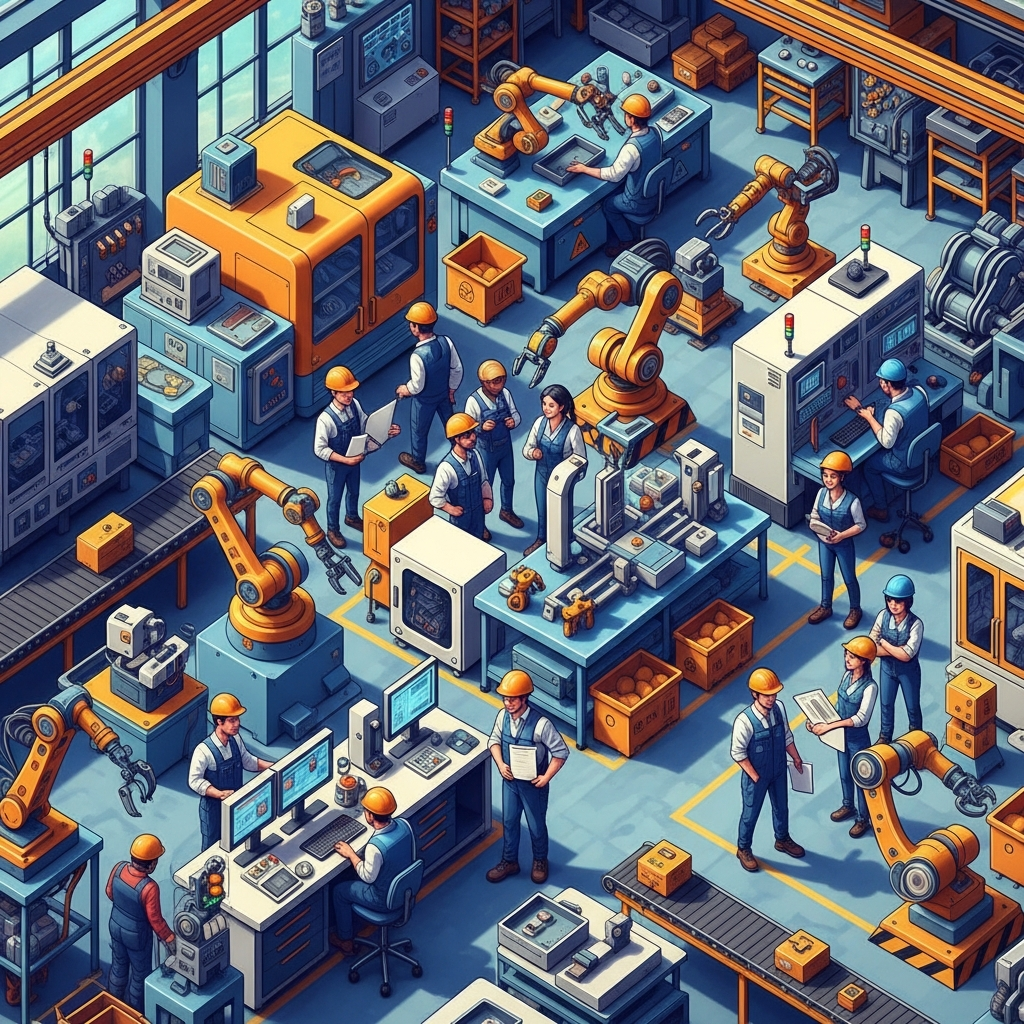 The next wave of AI technology will be a strong force for digital transformation everywhere. This next decade, AI will not just change a few areas. It will touch a lot of industries with many new and smart use cases because of these ai advancements.
So, which industries will change the most with these new ideas? In the next decade, we will see future technology bring big changes to manufacturing, healthcare, education, and software development. These changes will help create smarter and better ways to get things done, and systems that fit each person well.
Robotics and automation in manufacturing and logistics
In manufacturing and logistics, AI-powered robotics and automation are going to change the way we work. We are now using more than basic robotic arms. There are smart ai systems that can handle more difficult jobs on the factory floor.
These new robots can see what is around them. They learn, and they change the way they work based on what they find. This means they can do careful jobs like assembly. They can check products for problems with better accuracy than people. These robots can also work right next to people in a safe way. All this will help us work faster and make better products.
For the supply chain in logistics, AI will make every step better. Key uses include:
Using self-driving forklifts and drones to keep track of warehouse inventory.
Having AI guess what customers will want, so companies can keep the right amount of products on hand.
Self-driving trucks and delivery robots will move goods faster and send them out in a better way.
Next-gen AI in healthcare, education, and cybersecurity
The next decade will bring big changes in many important services with ai advancements. In healthcare, ai systems are going to change how doctors do medical diagnostics. AI will help doctors find problems like cancer much earlier and with more accuracy when they look at scans. It will also help with drug discovery, so new treatments can reach people faster.
In education, ai systems will help create learning that fits each student. There will be ai tutors that keep up with the way each student learns. They will give exercises and answers that match what each person needs. This will help more people get a better education and make it easier for all.
Cybersecurity will get better with ai advancements, too. Cyber threats will get tougher, but ai systems will be there to help. They can look for strange activities in network traffic in real time, spot new dangers like malware, and even handle problems as they happen. This will keep our online world safer.
AI-generated software and technology platforms
One of the biggest changes we will see is the rise of AI-generated software. With generative ai, you can now have a program write code, design things that you see on your screen, and even build whole apps just by using simple language and words.
This will speed up the ai development process by a lot. Developers will use ai like a partner who helps them build, test, and launch software at a much faster pace. It can also make it easier for more people to get into making software. This means there could be a lot of new ideas and tools in the tech world.
For business operations, this will help companies make their own custom software that fits what they need. It can be done quickly and without spending too much money. Whether it’s a tool used inside the company or an app for customers, ai-generated software will let companies move fast and change things in new ways.
The Impact of AI on Jobs and Careers
The future of work is changing fast because of artificial intelligence. This brings both good things and hard things for people. Many talk about the jobs that will change as machines do more simple tasks. People will need to learn new things to keep up with this change.
How will artificial intelligence change jobs and work in the next few years? Some jobs will go away. But there will also be many new jobs, like for people who work as AI engineers or with machine learning. The most important thing will be learning how people and AI can work together.
AI-assisted workplaces and new tech-powered roles
The future of work is not about AI taking over the jobs. It is more about AI helping people at work. Office spaces will turn into places where smart tools help people do their tasks better, faster, and in a new way. When people and AI work together, it can boost productivity for everyone.
The way we work will change, and there will be new tech jobs that we have not seen before. As more companies start to use AI in what they do, they will look for people who know how to handle these tools. They will want workers who can manage, look after, and come up with new ideas for these systems.
Some of the new jobs we might see are:
AI interaction designers who find ways to help people work with AI easily.
AI business strategists who spot places where companies can use AI to move ahead.
AI trainers who show and help machine learning models do special tasks.
machine learning, boost productivity, future of work
Automation’s effect on repetitive tasks and reskilling needs
AI technology is good at doing repetitive tasks. The machines do well with things like typing in data, doing simple math, or any job that happens the same way each time. When machines take over these jobs, people will not have to do the same thing again and again.
Because of this change, it is now very important for people to learn new things. When automation takes over the simple work, workers need to pick up skills that AI cannot do. Some of these are thinking in new ways, coming up with ideas, dealing with feelings, and fixing hard problems.
Governments, companies, and schools need to work together. They must make it easy for people to get new training. If we focus on teaching the right things, people will be ready for the jobs that are coming next. They will also have a better way to move into jobs that need what humans can do best.
Emerging opportunities for AI engineers and data scientists
The world is changing fast with the AI revolution. The need for skilled people who can build and manage ai systems is growing every day. AI engineers and data scientists lead the way in this change. They make the models and plans that run modern ai.
AI engineers work on all parts of ai development. They design, build, put in place, and keep ai systems running well. Data scientists know how to find helpful information in big piles of data, which is the fuel for any machine learning work.
The future of ai will bring new and more focused jobs in these areas. There will be more need for people who know about things like natural language processing, computer vision, and reinforcement learning. People with the right skills can get many career chances in the ai industry. Students who want a good future should think about taking an AI engineering course in Hyderabad.
The Future of AI in Business in India
For businesses in India, the future of AI means more speed and new ideas. Companies can use artificial intelligence to do more with less work. It lets them stop waiting and start planning ahead. With the help of AI technology, things like predictive AI can help managers make smarter choices. This will change the way business operations work from the inside out.
How will artificial intelligence change life and work moving forward? In business, using AI-driven tools will make customer service better, help fix supply chain problems, and find new ways to earn money. This will give Indian businesses the power to stay ahead. The future of ai is set to change the way people do their jobs and run their companies.
Predictive AI and advanced analytics for smarter decisions
Predictive AI will soon become a big part of business strategy. It uses advanced analytics and machine learning to guess future trends and what customers might do. It is good at seeing what could happen next in the market. This helps businesses make smart decisions based on good data.
Predictive AI helps a lot in business operations. It can help companies manage their stock by guessing how much of something will be needed. It also tells them when machines may need fixing so they can stop problems before they start. This makes everything work smoother and better.
This type of technology is good for customer experience, too. It can guess what customers may want or need next. This lets companies give helpful tips and offer services made just for the customer. It helps build trust and long-lasting relationships.
Hyper-personalization and AI-driven customer support
The future of customer engagement will use hyper-personalization. AI-driven systems can look at customer information in real time. This lets them give each person a unique experience, product ideas, and marketing messages based on what they like and how they act.
Customer support is changing with help from AI as well. Smart chatbots and virtual assistants use natural language processing to talk with people. They understand and solve customer problems any time of the day. These tools give fast and correct answers, so human workers can spend their time on tricky or important issues.
When you put hyper-personalization with smart support, the result is a smooth and enjoyable customer experience. It helps businesses build strong loyalty by making people feel that they are understood and important.
Building autonomous, AI-first enterprises
Many businesses want to become AI-first enterprises. This is more than just using AI in some projects. It means making ai systems a main part of what the business does every day. This way, AI helps with digital transformation for the whole company.
An AI-first enterprise lets ai systems run many parts of work, such as finance, HR, marketing, and sales. These systems can look at data, decide what to do, and keep making things better with little help from people. This brings a high level of speed and control.
To build this kind of company, there must be a clear plan, strong data systems, and a workplace that welcomes new ideas and change. Companies that do this well will lead in the age of ai.
AI Trends Shaping Software Development
The world of software development is changing fast because of new ai trends. Many tools, such as AI coding assistants, are already making a big difference in how developers work. But this is just the start. In the future, AI will become even more important when it comes to making software.
What ai trends can we expect to see in the next 5 to 10 years? We will see more apps that AI creates. More people will be able to build using low-code and no-code tools. Also, new AI-first frameworks will come up.
Evolution of AI coding assistants and auto-generated apps
AI coding assistants are changing fast. They started as simple tools that could finish lines of code. Now, they are becoming smart partners in software work. Soon, these helpers will offer more than just code suggestions. They will help find bugs, write tests, and explain hard parts of a codebase in everyday words.
The next big thing will be apps made by AI. Developers will not need to write every line of code. They will just tell the AI what they want the app to do and how it should look using plain English. The AI will then create ready-to-use, complete code for production.
This type of AI help will speed up how fast people can build new things. Teams will try out ideas and change them faster than ever before. Developers will get to spend more time on creative work and how everything fits together, rather than just writing code.
The impact of low-code/no-code AI tools
Low-code and no-code AI tools help more people do technology work by letting those without much programming skill build apps and set up process automation. The tools use simple screens where you can drag and drop things to make strong tools.
Now, business people, analysts, and people who start companies—the “citizen developers”—can build the tools they need. They do not have to wait for the IT team. This makes the work go faster and helps companies keep up when things change.
These tools bring big benefits:
Faster Development: You can make simple apps and set up workflows in just hours or days. It does not take weeks or months.
Reduced Costs: You do not need to hire only special developers for these jobs, so it costs less.
Empowered Teams: People who know the problem best can make their own process automation tools. This can make the work better and faster.
Essential AI development frameworks for the future
As ai development gets better, the tools and frameworks for building ai models will change too. Today, people use TensorFlow and PyTorch, and these are strong tools. In the future, new frameworks will make things easier, faster, and more simple to use.
Some new development frameworks will work best with new hardware like quantum computers or new types of computer chips. This will help developers build bigger and more detailed deep learning models than they can build now.
Also, future frameworks will give more support for making sure ai models are safe and fair. They could have tools to spot bias, show how models make choices, and keep everything safe. This will help developers build ai applications that people can trust and that work right from the start. You can learn these skills in an AI developer course in Hyderabad.
AI’s Role in Shaping the Future of Education
AI technology is set to change the future of education in a big way. The use of artificial intelligence will do more than just add smart digital tools. It will help move us toward a new way of learning that is more personal, flexible, and within reach for students everywhere. This is an important part of the digital transformation in education.
How will artificial intelligence change the way we learn, live and work in the future? AI will work like a personal tutor for each student. It will also guide students when they make career choices. Teachers will get strong support tools too. All of this will be possible with natural language processing.
Personalized AI tutors and adaptive learning systems
One of the most interesting uses of AI technology in education is the creation of personalized AI tutors. These intelligent systems can give students lessons that fit the way they learn. They help at each student’s own speed and focus on what each student doesn’t know yet.
AI tutors use special learning programs to see where a student has a tough time. They can give the right exercises, easy-to-understand answers, or other tools to help a student get better in that area. This helps make sure no student falls behind or gets stuck for too long.
Before now, it was not possible to offer this kind of personal help to so many students. AI technology now lets every student get the support they need in school. This leads to a better and fair way for everyone to learn.
Smart career guidance powered by AI
Picking a career path is a big step for any student. AI-powered career guidance platforms can help you make smarter and more personal choices. They look at what you like, what you can do, and how well you do in your studies.
With machine learning, these tools study labor market trends and what is needed for the future of work. They suggest career paths and school programs that fit you well. The platforms can also show you which skills you need to get the job you want.
This kind of smart advice makes it easier for students to choose the right way forward. It helps you match your learning with new job chances. It can also guide students into fields where there are not enough people working, which is good for both you and the economy.
Intelligent support for students and educators
Besides personalized learning, ai systems will also give smart help to students and teachers. These systems can make admin tasks simple and improve how people learn. This lets teachers spend more time teaching and guiding students.
For teachers, ai can check some homework, help to plan lessons, and find students who might need extra help. For students, ai tools can help with research, writing, and setting up their schedules.
Smart support in education will include:
AI-powered platforms that help teachers make fun and strong learning tools.
Smart helpers that answer the usual questions students have about homework and times.
Data dashboards that show teachers how the class is doing and how much students join in.
Ethical Challenges in the Future of Artificial Intelligence
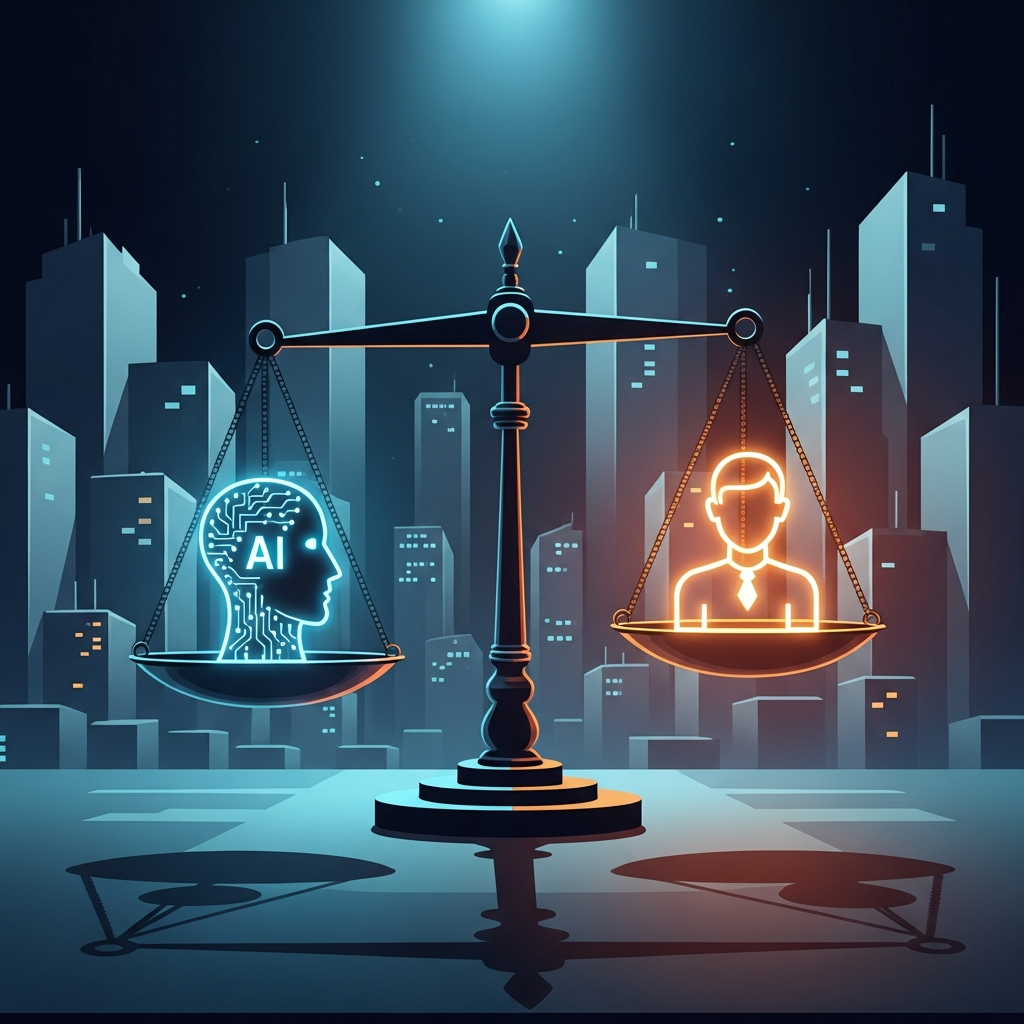 As ai technology gets stronger, the ethical concerns around its use get even more important. It's key to make sure ai systems are built and used in the right way. This helps people have digital trust. Some of the main things to watch for are fairness, being open about how ai works, and making sure people own up to mistakes.
What are the biggest challenges for the future of ai? The main risks are possible biases inside ai systems, issues with data privacy, and using ai for bad things like making deepfakes. To fix these problems, there needs to be a strong promise to use ai in a right and responsible way.
Navigating biases and data privacy in advanced AI
One big ethical problem in advanced AI is the risk of bias. AI systems learn from the data given to them. If this training data shows bias from people, AI can learn this and even make it worse. This can create unfair situations for things like getting a job, asking for a loan, or dealing with the law.
To fix these problems, it is important to be careful with training data. We also need new ways to find and reduce bias in ai systems. It is very important to be open about how ai works. People need to know why an ai made a choice.
Another big worry is data privacy. Advanced ai systems need a lot of training data to work well. That raises questions about how that training data is taken, used, and kept safe. There should be strong rules and ways to protect people’s information. This helps keep people safe from harm.
Addressing deepfakes, misinformation, and digital trust
The growth of generative AI has brought a new problem. Deepfakes are fake videos, images, or sounds made by AI that look and sound very real. People can use deepfakes to spread wrong ideas, trick others, or make bad content. This is a big problem for trust when we are online.
To fight this problem, we need to do more than one thing. We need to build good ai systems that can spot deepfakes. We also have to help people learn how to know what is true and what is not. It is important to make clear rules about how to use generative ai in the right way.
If we do not trust what we see or hear online, the whole idea of trust in our digital society breaks down. It is important to build and keep trust in this age of ai. To do so, technology workers, leaders, and all of us must work together and keep trying.
Building responsible and transparent AI systems
The world of AI is facing many tough questions. Now, more and more people in the AI industry are working to build ai systems that are safe and helpful for everyone. This means they want to create and use AI in ways that are fair and match what people care about.
Two important parts of this goal are being open and making sure people know who is in charge. We have to show how ai systems make choices in a way that people can understand. Also, when something goes wrong, we need to be clear about who is at fault.
Here are some of the main ideas in responsible AI:
Fairness: ai systems should not cause unfair or biased results.
Transparency: How ai systems make choices should be easy for people to see and understand.
Accountability: There must be clear rules about who is in charge of what AI does.
Will AI Replace Humans? Myths and Realities
People often ask if artificial intelligence will take the place of humans. This idea is mostly driven by fear and some confusion. The truth about how AI will change the future of work is more complex. AI will not simply replace people, but bring big changes.
So, how will artificial intelligence affect the way we live and work next? Instead of humans losing all jobs, there will be a new way people and technology work together. AI will add to human intelligence. It will take care of some tasks. At the same time, it will also create new jobs. People will have more chances to do the work they do best in the future of work.
The shift from repetitive labor to human-AI collaboration
AI will mostly help with automating jobs that are made up of repetitive tasks. The jobs that can be guessed ahead of time, the ones that need manual work, and any that deal with lots of data are the first to get changed by process automation. You can see this happen in jobs like data entry, basic customer service, and factory assembly lines.
But this does not mean many people will lose their jobs right away. The change is really about people and AI working together. As AI does the boring or simple parts of the work, people can spend more time on the tasks that need more thought and skill.
For example, AI can look at thousands of legal papers fast, but a lawyer will use what AI finds to plan their case. This teamwork lets people do more, and it can help everyone get better results.
The enduring value of human creativity and critical thinking
AI systems are getting stronger every day. Still, they do not have the real creativity, emotional understanding, or deep thinking that come from human intelligence. These human skills are set to be even more important in the age of AI.
Creativity helps us come up with new ideas, new things, and answers to problems. AI systems can copy this, but they just use what is in their data. When we use critical thinking, it helps us ask good questions and deal with hard choices. It lets us figure out tricky issues, even when there is not much information.
AI can help add to what people do, but it will not be able to do what people can. Those who mix strong human skills with the power of AI systems will do the best in the age of AI.
How future technology is reshaping workforce dynamics
Future technology is changing the way we work in big ways. Jobs are not the same as they used to be. Now, to do well at work, you need to keep learning new things and be able to change. With more automation, you have to think ahead about your career and learn what is needed.
These changes mean that the way the people work will change, too. People will have more flexible jobs, often working on projects. There will also be more focus on soft skills that work well with AI's tech strengths.
Here are the big changes coming to the workforce:
A focus on upskilling: You will need to keep learning new skills to stay with the pace of today's tech.
The rise of hybrid roles: More jobs will need both knowledge in a field and know-how about working with AI and data.
Human-centric job design: People will do jobs where things like empathy, creative ideas, and smart thoughts are most needed.
Future technology will lead to the most new ways of working, and we all need to get ready for it.
Leading Countries and Companies in the AI Race
A few countries and big companies are spending a lot on ai development. They are bringing in top talent and putting money into research. These leaders are growing a strong AI world. They set the way for new things to come in the field.
How are top tech companies changing where ai development is headed? Groups like OpenAI and Google work to see how far AI can go. At the same time, industry experts try to use these new steps to help with real problems. Because of their work, they help shape how people use AI now and in the future.
Global leaders: USA, China, and India’s AI ecosystem
Globally, the AI race is largely dominated by the USA and China. The USA is home to many of the world's top AI research labs and tech companies, driving innovation in areas like generative AI and large language models. China is leveraging its massive data resources and strong government support to become a leader in AI applications like facial recognition and smart cities.
Meanwhile, India is rapidly emerging as a significant player with a fast-growing AI ecosystem. With its strong IT talent pool, booming startup scene, and government initiatives like the National Strategy for Artificial Intelligence, India is poised to become a major hub for AI development and implementation.
These industry leaders are setting global AI trends and competing for talent, investment, and technological supremacy.
Country | Key Strengths in AI |
|---|---|
USA | Leading in fundamental research, home to top tech giants and AI labs. Strong venture capital ecosystem. |
China | Strong government support, massive data availability, and rapid adoption of AI in commercial applications. |
India | Large pool of IT talent, a thriving startup ecosystem, and growing government focus on AI for social good. |
Top innovators: OpenAI, Google DeepMind, Anthropic, and NVIDIA
A few main companies are leading the way in AI development. These companies stand out as top movers in the field. OpenAI, known for making ChatGPT, has played a big part in making generative AI well-known. The company keeps pushing what large language models can do.
Google DeepMind is also a strong force in ai systems. It is known for new work in things like reinforcement learning with AlphaGo and protein folding with AlphaFold. There is also Anthropic, started by people who used to work at OpenAI. This group works to build safer and more steady ai systems.
You can not leave out NVIDIA. This company makes the important hardware that helps ai development grow. Its GPUs are used in many big AI projects, and its platforms let researchers and companies build and train huge AI models. These industry experts are setting the path for what comes next.
The Indian government and startups advancing AI trends
In India, the government and a strong startup scene are both helping to drive change with new ideas and the latest ai trends. The government has started a number of plans to boost research in ai, help people learn ai skills, and bring ai into important fields like healthcare, farming, and schools.
India’s startups play a big role in the ai industry. There are many new companies making smart, new tools that use ai for people in India and around the world. You can find things like talking ai apps and smart tech that helps doctors. These startups move fast and always jump on the next big ai trends.
With help from the government at the top and energy from the startups below, the ai industry in India is growing fast. This mix is helping more people try new things and make new tools with ai. All of this will help India stand out when it comes to ai around the world. If you want to learn more, an ai training institute in Hyderabad, like SocialPrachar, may be a good place to start.
Future AI Skills for Tomorrow’s Professionals
To do well in a world shaped by future technology, people at work will need to grow new AI skills. There will be a big need for technical experience in machine learning and data science. At the same time, everyone should know the basics of how to use and work with AI systems.
What is the role of data science in the future of AI? Data science is very important. It is about taking in, cleaning up, and looking at data. This is what helps run all AI systems. Learning prompt engineering, which means knowing how to talk to AI, will also be needed for many people.
These skills will help shape the future of AI and prepare us for what comes next in technology.
Essential knowledge: prompt engineering and machine learning
As we use generative AI more, knowing how to do prompt engineering is now very important. This means learning how to write good prompts so you get the answers you want from the AI. It is like learning how to talk to AI right and helps you use all the power it has.
If you look at the more technical side, you still need to know a lot about machine learning. You should know the types of ways the computer can learn, how they work, and how you can use them to fix problems you see in real life. People who want to build or change AI need to know these things very well.
Key skills for the future of ai include:
Prompt Engineering: Know how to talk with big language models the right way.
Machine Learning: Know key computer learning types and how to build models.
AI Literacy: Know the basics of what AI can and cannot do is helpful for all at work.
Developing expertise in data science, AI automation, and ethics
Data science is the base of AI. To work well in this area, you need to learn how to collect, clean, look at, and show data. These skills help build good and strong AI systems. If the data is not of good quality, even the best AI will not work well. A data science course in Hyderabad can help you get this important knowledge.
As future technology moves ahead, knowing how to use AI automation will become even more needed. This means learning how to use AI tools to help make work faster, build smart systems that act on their own, and help the whole group work better.
It is also very important to know about AI ethics. As ai systems get more power, people who work in this field need to see what is right and wrong in their work. They should build ai systems that are open, fair, and answer for what they do. This skill helps not just in tech jobs, but is important to the business and to all people.
Skills for building and managing future technology solutions
Building and running future technology that uses AI will need both technical and planning skills. You have to know about ai development, like coding, and how to work with AI tools and systems.
It’s also important to know how the setup behind AI works. You need to understand things like cloud computing, data centers, and how to build ai systems that can grow and work well. As AI models get bigger, managing the hardware and software will get harder.
Alongside the tech skills, you'll need to know about project management, process automation, and how to make a plan for the business side. It’s not just about building cool new technology. You also have to make sure it fits into a company in a good way and brings real benefits.
Future Technology Advancements Beyond AI
AI is a big part of future technology, but it is not the only one. There are many other tech trends that will also change the way we live. Some of these new ideas will work well with AI, making both even stronger.
Things like quantum computing, better brain-computer links, and advanced robotics will open new doors for us. The changes we see now are only the beginning. These future technology tools will make AI do even more, and together they will bring the next big changes to our world.
Quantum computing and brain-computer interfaces
New technologies like quantum computing and brain-computer interfaces are about to change artificial intelligence in a big way. Quantum computing gives much more power to ai systems. Because of this, they can solve complex problems much faster than classical computers can. This can help bring new ideas and tools for drug discovery and data analysis in real time.
On the other hand, brain-computer interfaces let people talk straight to ai systems. They help people work better and open up new ways to connect. When used together, these technologies can change how people and intelligent systems work with each other. They will make it possible to go farther in what we can do with innovation.
Integrating AI with robotics and smart ecosystems
The mix of artificial intelligence with robots is shaping smarter systems for everyday life. When these robots use machine learning and deep learning, they can do many jobs on their own. This leads to better work in different areas. These smart systems focus on real-time data analysis. That makes things run smoothly in setups where much happens without people.
Also, as AI technology gets better, robots and smart buildings work together in new ways. This helps with hard problems, like making the supply chain faster and giving better customer service. Because of this change, we see more autonomous vehicles and smart systems that learn. It's changing how we live and work every day.
Human-AI collaboration for next-generation innovations
There is a lot of power in people working with AI systems. These partnerships show how advanced AI can help us think in new ways and solve tough problems. When intelligent systems become part of the way businesses work and make choices, teams can get things done faster and better. This helps companies come up with new ideas for products, do better at customer service, and try new ways to tackle complex problems.
As autonomous systems keep getting better, people and AI will work side by side, helping human intelligence instead of taking its place. By using machine learning and natural language processing, teams have a chance to keep learning and improving. This can lead to big changes and new ideas in many fields.
Conclusion
The growth of artificial intelligence is set to change our world in a big way. As we head into the next decade, if we welcome the power of AI, it can help people reach new levels of doing more work, being more creative, and coming up with new ideas. With better machine learning, autonomous systems, and smarter ways of doing data analysis, the role of artificial intelligence will shape how things work in the future and make life easier for people every day.
People will need to keep learning and be ready for change as new AI tools show up. The future looks good for those who are ready to use these tools. The role of artificial intelligence could be key for what the future of humanity looks like.
Frequently Asked Questions
What are the most important AI trends to watch after 2026?
Some key AI trends to keep an eye on after 2026 are better quantum computing and new brain-computer interfaces. We will also see AI working more with robots, which will make everything smarter. Plus, human-AI teamwork will get better. All these changes will have a big impact on businesses and change the way we use technology.
How will AGI differ from existing AI technologies?
AGI stands for artificial general intelligence. This type of AI is made to have the same thinking power as human intelligence. It can learn new things and solve problems in many different areas. The AI we have now is good at doing a few tasks well. But artificial general intelligence will be able to learn on its own, change as needed, and come up with new ideas in tricky and changing situations.
Which future technology fields will see the biggest impact from AI?
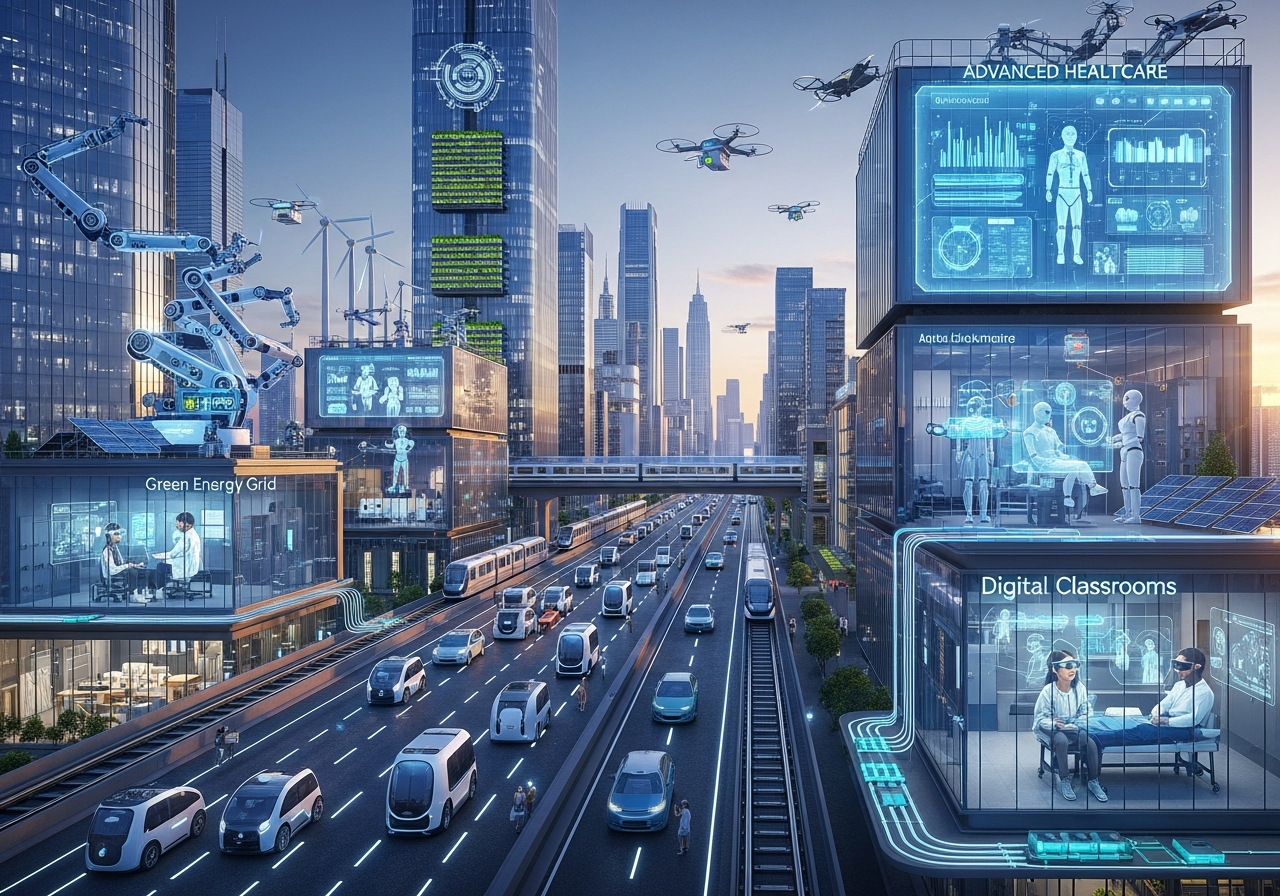 AI is set to change many areas like healthcare with the help of predictive analytics. In transportation, autonomous vehicles will play a big role. In education, AI brings personalized learning systems, which help each student in their own way. The rise of quantum computing will make AI work even better. This will lead to big changes in many sectors.