





Python Course Syllabus: Essential Skills for Future Careers
Key Highlights
This Python course syllabus guides you from fundamental programming concepts to advanced, career-ready skills.
The learning path covers key concepts of the Python programming language, including syntax, data structures, and functions.
You will learn best practices through hands-on projects that build practical coding experience.
The curriculum introduces essential libraries like NumPy and Pandas, preparing you for specialized fields.
This programming language roadmap is structured to support careers in data science, AI, and web development.
It emphasizes a balanced approach, blending theoretical knowledge with real-world application.
Overview of the Python Learning Path for Beginners
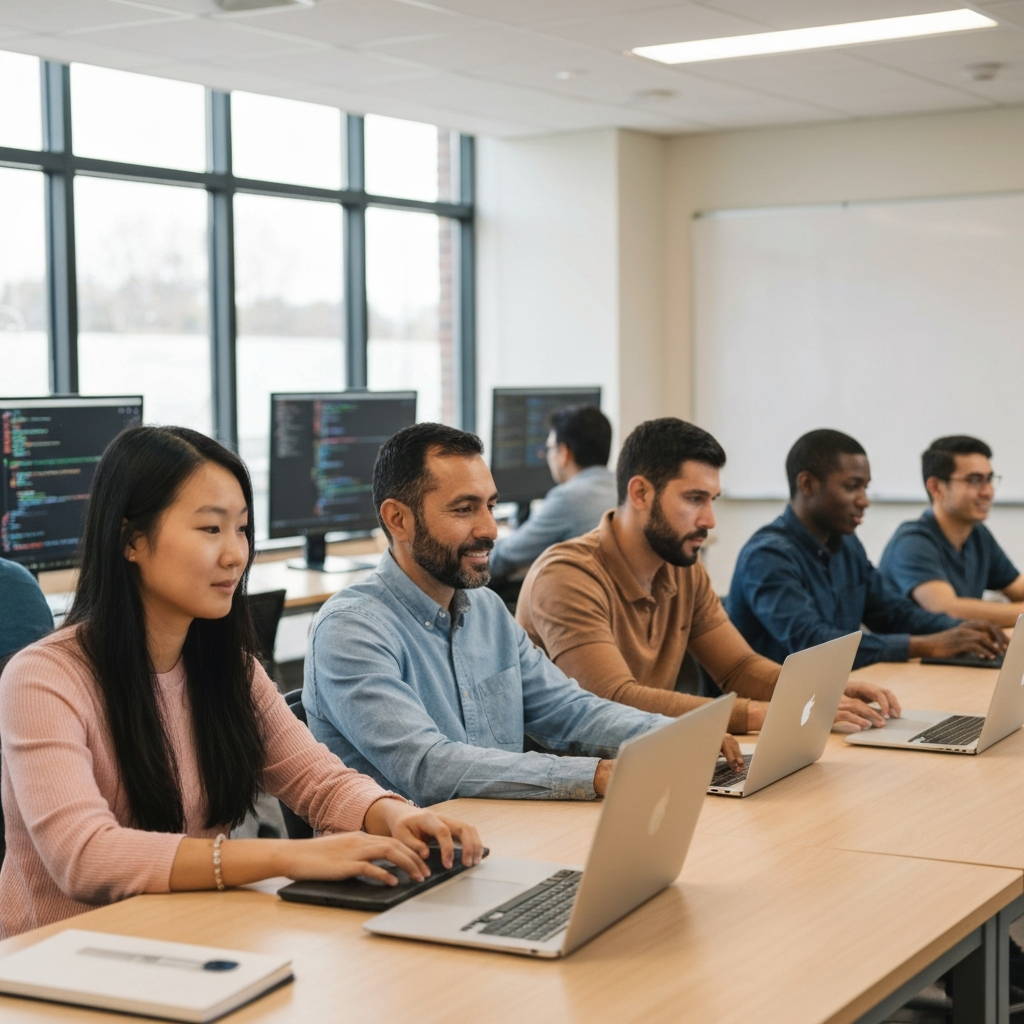 Starting to learn python means you begin with basic concepts and simple syntax. After that, you work your way up to more difficult projects that use what you have learned to solve real problems.
Taking small steps helps you learn the python programming essentials without feeling lost. The python language is made to be clear and easy to read. It is a good way for new people to get into coding and sets you up for the future when you want to learn more advanced things. The next sections will tell you more about this path.
Understanding Python’s Role in Future Careers
Python has turned into the base for many new kinds of work and companies. It is now an important programming language for anyone who wants to get ready for jobs in the future. The way Python is simple to use and powerful at the same time has made people in fast-changing fields like data science and machine learning use it a lot. Many of the top companies rely on Python every day. They use it to handle large sets of data, build smarter systems, and make models that predict what will happen next.
Because of this, the need for a good Python developer keeps getting bigger. People who know the basics of Python often find more openings for great jobs. Jobs in tech will only keep growing. When you know how to work with Python, you can do things like write code for AI systems, create algorithms, or look after huge groups of data. The skill of Python ties in with some of the most exciting new job areas.
Learning Python is not just about picking up another tech skill. It is really a way to invest in your own job and make sure you keep up with all the new changes and ideas. Understanding Python at a basic level is a key start for anyone that wants to get into data science, AI, or work with new algorithms. It gives us and others a way forward in a world that keeps moving ahead with new tech.
Who Should Take a Python Course?
A python course can help many people. You do not need any programming experience to start. It is made for absolute beginners who want to build coding skills. It also works for people who already know tech and want to add more tools. Are you not sure if the python course is for you?
The course is good if you:
are a student or have just finished school and want a job in tech.
are someone working in another field and want to move into web development, data analysis, or ai.
are a programmer who uses other coding languages but wants to learn python too.
are an entrepreneur or project manager and want to know how your products work.
You will find python a strong and easy language if you like to solve problems and make new ideas. You can start learning and keep growing in tech. The python course is a good place to begin or grow your journey.
Common Prerequisites for Enrolling in a Python Course
One of the good things about getting started with Python is that you only need to know a little before you begin. Many beginner courses work for people with no background in computer science. They are made to help everyone start programming, no matter your school or work experience.
Still, if you know a few basic things, learning can be easier. Here are a few skills that help, but you often do not need all of them:
Basic computer skills, like knowing how to move and organize files and how the system on your computer works.
Logical thinking and solving problems, because programming means working through problems step by step.
Basic high-school math. This is good to know for people who want to learn about data science or machine learning.
The big takeaway here is that you do not have to be an expert before you start. Most beginner study plans for Python start at the beginning. They show you things like basic data types and how to use syntax in small steps. The most important things to have are your interest, and your drive to practice.
Python Course Roadmap: From Basics to Advanced
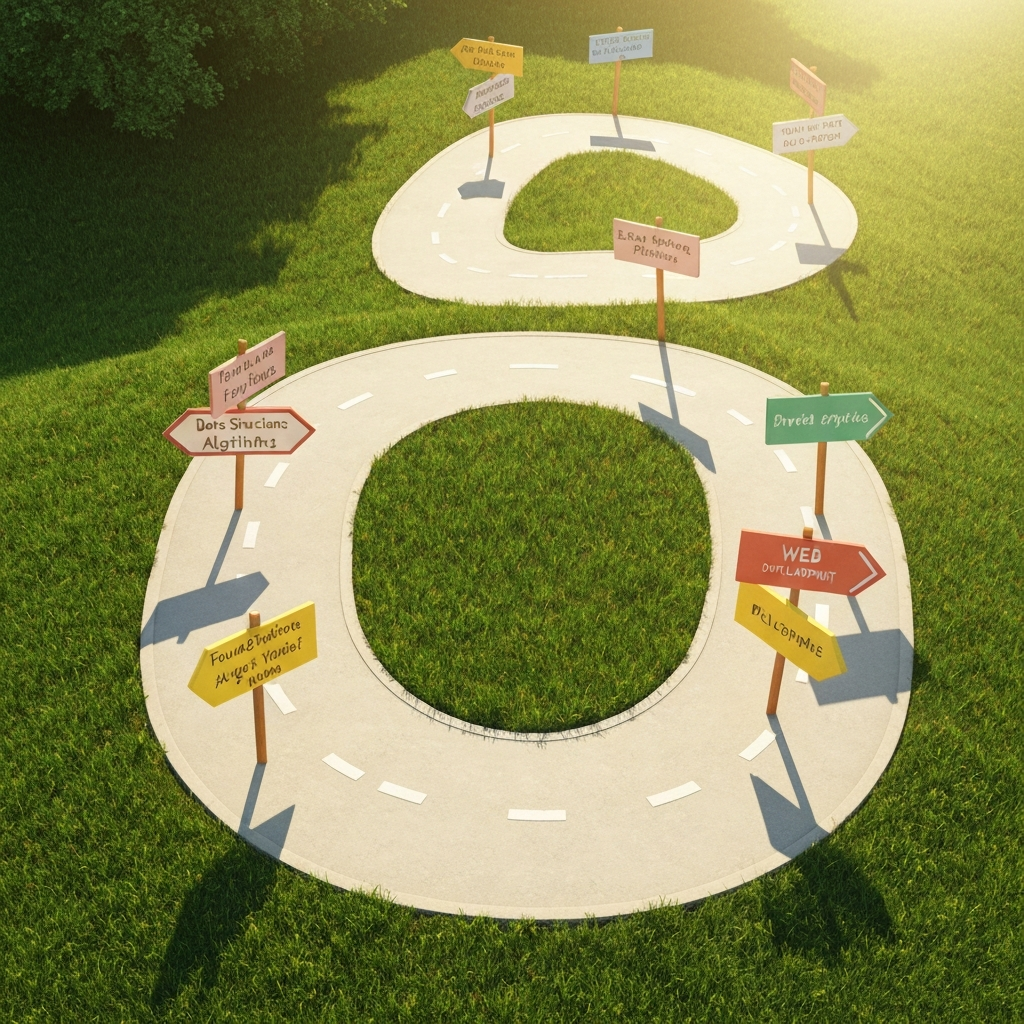 A well-organized python course helps you start with basics then move to advanced concepts. You learn the main ideas first, so you have a good base before you get into harder things. In most courses, you begin with python syntax and later learn skills that jobs in the field need.
This approach is made to help you feel more sure about your skills as you pick up new things. It makes it easier to go from one topic to the next. If you know what the plan is, you can set clear goals and keep track of how you grow as a python developer. Now, let’s look at the stages of this learning path.
Stages of the Python Learning Path
Learning Python usually goes through three main stages. Each stage helps you get better at writing Python code, starting from the basics and moving on to bigger projects. The organized syllabus helps you slowly learn new skills and tools in programming.
Knowing what happens in each stage can help you plan what to expect in your learning with Python. Here is how it goes:
Beginner: You learn the main ideas, such as syntax, variables, data types, and control flow.
Intermediate: You get to more complex data structures, learn how to use functions, file handling, and start with Object-Oriented Programming (OOP).
Advanced: You learn about special topics like web frameworks (Django, Flask), data science libraries, concurrency, and creating APIs.
When you go from beginner to advanced, you see your programming experience really improve. You start to feel more sure about working on tough problems and using python for real-world solutions that work well.
Building Advanced Python Skills for Industry Needs
A python course can help many people. You do not need any programming experience to start. It is made for absolute beginners who want to build coding skills. It also works for people who already know tech and want to add more tools. Are you not sure if the python course is for you?
The course is good if you:
are a student or have just finished school and want a job in tech.
are someone working in another field and want to move into web development, data analysis, or ai.
are a programmer who uses other coding languages but wants to learn python too.
are an entrepreneur or project manager and want to know how your products work.
You will find python a strong and easy language if you like to solve problems and make new ideas. You can start learning and keep growing in tech. The python course is a good place to begin or grow your journey.
Python Course Structure: Blending Theory and Hands-On Practice
A good python course gives you both book knowledge and time to practice coding. It's not enough to just know the ideas in python. You get better by actually typing out code and solving problems. The course should let you try a lot of coding so you can build strong coding skills.
When the lessons mix reading with doing, you learn what parts like loops and functions are. You also see how to use them in real python code. Projects and exercises help you turn ideas into something you can use. This gives you the skills you need for real coding work with python.
How Courses Integrate Practical Coding Exercises
Practical coding exercises are built into every good python course. They help you learn more at each step. You are not just listening to stuff. You start writing python code right away. These activities in class are tough but you can do them. They help you get more sure of yourself.
There are different types of these exercises. Each one does something important while you learn python. Some common ones are:
Short quizzes that check how well you know the new syntax.
Small coding challenges that ask you to fix a problem.
Debugging exercises where you find what is wrong and fix broken python code.
Refactoring tasks so you can improve code with best practices.
When you keep doing the work, what you learn moves from short-term to long-term memory. You remember these python concepts because you use them all the time. Trying things out is the way to build muscle memory so you code better in python.
Project-Based Learning for Real-World Application
Project-based learning lets you do more than just simple hands-on exercises. You build full applications from start to end. This is important because it helps you see how different ideas in Python and AI fit together in a real application. You get to go from learning single features to making working products.
There can be small mini-projects or bigger capstone projects. A mini-project could be making a calculator or a game using text. Capstone projects are more advanced. They could be about building web applications, making tools for data manipulation, using machine learning, or working on basic AI. For example, in a generative AI course in Hyderabad, you might get to make a basic chatbot.
Doing these projects helps you show your skills to potential employers. You get real experience working with Python, machine learning, and AI. You learn how to plan, create, and launch software. It is the best way to practice what you learn during the course. This gives you training that is close to what you would get at a real job.
Balancing Classroom and Self-Paced Tutorials
Deciding if you want to learn in a classroom or through self-paced online courses depends on the way you like to study and how much time you have. Both ways of learning have good points. Many study plans today mix both methods, giving you something from each style.
Classrooms let you talk directly with teachers and other students. This helps you get feedback fast and work with others to learn new things. Self-paced tutorials let you pick the time to learn, and you can go back to hard parts when you need. Many online classes also give videos, activities you can try, and places to talk with others to help you learn more.
To help you get the most out of your study plans, try to use both styles. Go to guided lessons when you need to understand something hard. Use the online, at-your-own-pace parts to keep practicing and build what you know. This mix works for many people and helps you reach your goals step by step.
Python Course Duration: Realistic Timelines for Progress
Setting real goals for learning Python is important to keep you going. How fast you get good at it depends on how hard the course is and how much time you give to it. A beginner course may take just a few weeks, or it could last months.
Knowing how long these courses usually take can help you make strong study plans. This way, you know how much time to put in. It does not matter if you pick a fast bootcamp or a slower self-paced program. When you learn the usual timeline, you can set up your path and see your wins along the way. Let’s look at these timeframes more closely.
Estimated Timeframes for Each Module
To help you plan your learning path, it is useful to have an idea of the timeframes for each module in a typical Python syllabus. While individual pacing will vary, these estimates provide a general guideline for how long it takes to cover the core components of the programming language.
Breaking down the syllabus into manageable chunks with estimated hours helps in creating a structured study schedule. Here is a possible breakdown:
Module | Estimated Timeframe |
|---|---|
Introduction & Basics (Syntax, Variables) | 5-10 hours |
Control Flow (Loops, Conditionals) | 5-10 hours |
Functions & Modules | 10-15 hours |
Data Structures (Lists, Dictionaries, etc.) | 15-20 hours |
File Handling & Exception Handling | 5-10 hours |
Object-Oriented Programming (OOP) | 15-20 hours |
Introduction to Libraries (NumPy, Pandas) | 10-15 hours |
Mini-Projects & Practice | 20+ hours |
This structured approach ensures you dedicate enough time to each topic, building a strong and comprehensive understanding of Python. Remember, consistency is more important than speed.
Tips to Stay on Track Throughout the Syllabus
Sticking to a syllabus is not always easy, especially when you have to go through tough topics. You need to be motivated and organized to finish your python course and build your coding skills. Having a clear study plan will help, but you also should find ways to handle any problems you face along the way.
Here are some simple tips about coding and study plans that can help you keep up with your python course and improve your coding skills:
Break down large modules into smaller tasks. It can help if you don’t try to learn all of data structures at one time. Start with lists, work on those first, then move to dictionaries.
Set small, achievable goals. Try goals like writing one function or learning a new piece of python code for the day.
Review and practice regularly. Go back to old topics to make sure you remember them. Use spaced repetition, as this way of going over things can really help.
Find a study partner. When you study python with a friend, you can check each other's work and help one another if you get stuck.
Sticking with these easy habits can improve the way you follow a syllabus. They will also help you reach your main goals during the year while learning python and building coding skills.
Module-Wise Breakdown of a Standard Python Course Syllabus
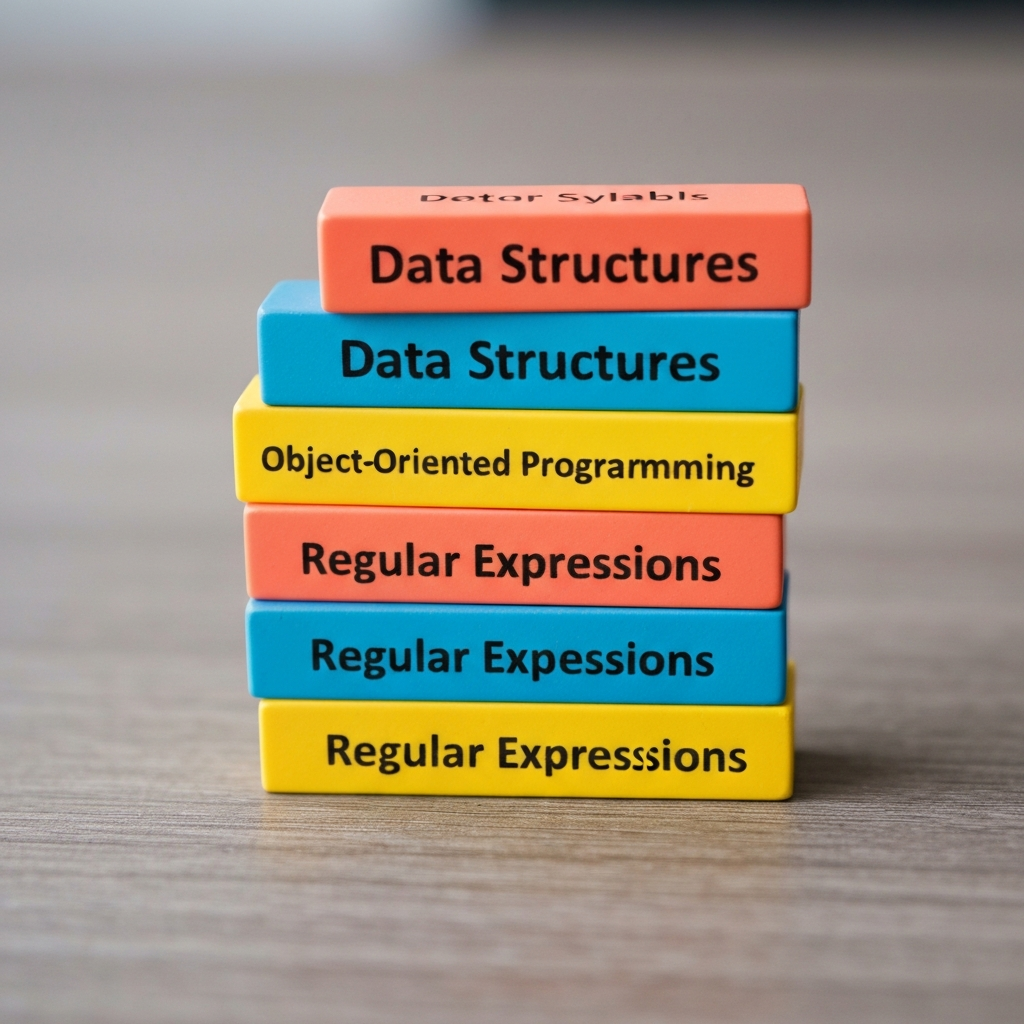 Let’s go over a clear module-by-module breakdown of a typical python syllabus. You will see the main topics that come up in python programming courses. The list starts with the basics and moves up to some advanced concepts. Looking at this structure helps you know how the syllabus gets built and why each part goes in that order.
This python syllabus lets you check off everything that a full python programming course should include. You can be sure that you get all the important beginner and middle-level topics. This helps you get ready for the next steps as you learn python.
Introduction to Python & Programming Basics
The first part of a python course is made for absolute beginners. It helps you get started in the world of programming. You will learn about the basics of python. You will find out what python is, why many people like it, and what you can do with it. This part shows you how to set up your coding space. You will install python and a code editor on your computer.
Next, you will make your first "Hello, World!" program. This is the first thing most people write when they start learning a new language. Doing this simple task helps build your confidence. It shows you the basic syntax and lets you see how python works. The aim is to help you feel good about using the basic tools and ideas.
This introduction also gives you the basics of programming. These things are important for anyone who wants to be a programmer, not just for those learning python. The module makes sure you, as an absolute beginner, can follow along. You will be set up and ready to learn harder topics and get to know more of the basics of python and basic syntax as you go.
Python Syntax, Variables, Data Types
After you finish the first steps, you will get into the main parts of the python programming language. This module teaches you about python syntax. Syntax is the set of rules to write code in python. You will find out how to use indentation, which is very important to make a block of code in python. You will also learn to add comments. Comments help make your programs more easy to read.
After that, you will look at variables. Variables hold data in your programs. You will learn how to choose a name for a variable and give it a value. This goes along with learning about data types. Data types say what kind of value a variable can be. For example, it can be numbers, like integers and floats. It can be text, called strings, or boolean values, which are True or False.
Knowing these things is key for any coding. Every program you make in the python programming language will use variables and several data types. Building a good understanding here helps you move ahead and do well with python programming.
Control Flow: If-Else Statements and Loops
Control flow is what helps your programs be smart and flexible. In this module, you will see how your code can make choices and do tasks over and over. You start with conditional statements like if, elif, and else. These let your code do different things, depending on what is true at that time.
After that, you will get to know about loops. Loops make your code run the same block of code more than once. The for loop goes through a sequence such as a list. The while loop keeps going as long as the set condition stays true. Both are needed when you want to solve different programming problems with ease.
No matter if you check user input or work with items in a list, using control flow statements is important. Getting programming experience with these helps you go from making scripts that do one thing, to making applications that are interactive and helpful.
Functions, Modules, and Packages
When your programs get bigger, you will need ways to keep your code neat and make it easy to use again. This part will show you functions. A function is a named piece of code that does one job. If you write a function, you can use that code over and over without having to type it out again. This makes your code in a programming language like Python simple to follow and saves you time.
Next, you will learn about modules and packages. A module is just a Python file with functions or variables inside it. You can bring this file into another script. A package is a group of modules that are related. Using modules and packages lets you use code from other people, and it helps split your work into clear sections.
Knowing how to use functions, modules, and packages is an important sign that you are becoming a better programmer. It is needed in every big programming language. These skills help you keep your code tidy, easy to fix, and able to grow with new features.
Exploring Data Structures: Lists, Tuples, Sets, Dictionaries
Data structures are an important part of programming. They help you store and organize your data in a simple and good way. In this module, you will learn about Python's own data structures. Each one is different and works best in special ways. Learning about them is key to making data manipulation and problem-solving easy.
You will know about the four main collection data structures in Python:
Lists: These are ordered and you can change them. They work well when you have a list with items that may change.
Tuples: These are ordered but you can't change them. Use them when you plan to have data that stays the same.
Sets: These do not keep things in order, and every item is one of a kind. They are best for checking if something is in the set or for getting rid of things used more than once.
Dictionaries: These have pairs of keys and values without order. They are good for keeping related things together for easy lookup.
Knowing when and how to use each type of these data structures in python code will help you make better work in your module and handle data much easier, even when you work with lots of data.
File Handling & Exception Handling
Many real-world apps need to work with files on the computer. You need to know how to read from files or write results. This part of the python module teaches you how to open, read, write, and close files in Python. These file handling skills are important when you work with text files, use CSV data, or save the output from your program.
But, sometimes things go wrong in code. It is common to get errors if a file is missing or the input is not right. Exception handling lets you deal with these errors in a safer way. You will learn how to use try and except in Python to catch the errors. This helps so your code does not stop working when it sees mistakes.
It's important to know about file handling and exception handling if you want to make good and steady apps. Using best practices for both of these is a big part of python development. Any production-level code should use these methods to work well and keep users happy.
Object-Oriented Programming (OOP) in Python
Object-Oriented Programming (OOP) is a way to organize your code around objects and their data, not just functions. Many people get better at python programming when they start working with OOP. In this module, you will get to know classes. Classes are like plans for making objects. Inside them, you can put attributes, which hold data, and methods, which are functions.
One big idea in OOP is inheritance. This lets you make a new class that gets features from another class. It helps you reuse code so things run better and you do not repeat yourself. This is important in ai engineering course in hyderabad, where you use OOP often to build smart systems.
To work well with python today, you really need to know OOP. Big programs, web tools, and ai projects use it a lot. Learning this module helps you write code that can grow and be easy to fix or change. OOP is key for people who want to go from beginner to intermediate programming and work on good projects in the future.
Python Libraries Overview: NumPy & Pandas
Python is known for its helpful standard library. But the real power comes from the many third-party Python libraries out there. In this module, you will start to learn about two big libraries used for data science and working with numbers: NumPy and Pandas. This is the point where you see how people use Python in special areas like data science.
People who want to work with data analysis use these libraries a lot.
NumPy (Numerical Python): This library helps you work with large sets of numbers, like big arrays or lists, and lets you run math functions fast and in easy ways.
Pandas: This sits on top of NumPy and lets you organize numbers and data into tables and lists. It is good for cleaning up data and making sense of it.
Just taking a quick look at NumPy and Pandas helps you see how strong they are for handling real data. Learning about them is needed if you want to do the work that use data science, and they are also key in any data science course in hyderabad.
Database Integration and Basic SQL Connectivity
Most apps need a way to keep their data safe and always ready to use. That’s where the database comes in. In this module, you get the basics of how to use a database with your Python program. You learn how to connect the app to a database so you can save, find, and change the data you need. This skill is key if you want to get into web development, backend work, or full-stack Python development.
This module shows you SQL, which is the most-used tool for talking to relational databases. You also use Python’s sqlite3 library to run simple SQL tasks, like making new tables, adding data, looking up records, and changing info.
Working with databases is not as tough as building APIs, but knowing how to handle data is a must-have if you want to jump into web development, python development, or ai jobs. Once you get this, you can make better, stronger web or python apps. This skill will help you if you take an ai developer course in hyderabad, or if you step into the world of ai, sql, or any python and web development work.
Specialized Python Tracks for Diverse Career Paths
After you learn the basics, you can pick tracks that help you match your Python learning with your job plans. This lets you follow what you like, such as data science, AI, or working on web applications. Each path dives into the main libraries and tools that the field needs.
Picking a focus helps you get skills that employers want. The syllabus for these higher-level tracks will be different. You will learn the tools and ways of working that matter most for that area. Let’s see what you get when you pick data science as your main path.
Data Science and Analytics Syllabus Focus
This data science and analytics track starts with your basic knowledge of Python. The syllabus is all about turning raw data into real insights. You will not just learn about libraries like NumPy and Pandas. You will use them for deep data analysis and more complex data tasks.
A big part of this track is about data visualization. Here, you get to use Matplotlib and Seaborn. These help you make charts and graphs so that you can share what you found in the data. Any good machine learning course in Hyderabad will spend a lot of time on these tools.
This data science syllabus usually covers:
Advanced Pandas for tasks like cleaning data, merging different sets, and reshaping tables.
Using libraries like SciPy and Statsmodels for statistics.
Getting to know the basics of machine learning with Scikit-learn.
Building interactive dashboards and clear visualizations. All this know-how is just what employers want when they hire people for data analyst or data scientist jobs.
Python for Artificial Intelligence and Generative AI
Python is a strong and useful programming language used in artificial intelligence. People working as data scientists pick Python because they can use tools like TensorFlow and PyTorch to help them with machine learning jobs. Python is also key for Generative AI, using models such as GANs to make new things like images or text.
When you learn the basics of Python, you get a chance to try out different data types and algorithms. This helps you make good AI solutions. If you work on things like control flow and data manipulation, you can find new patterns in the data. These patterns make AI apps even better.
Backend Development, Web, and Automation Syllabus
Backend development is key to how most web applications work. That's why a good understanding of Python can be so important. The syllabus covers how Python helps build server-side features. You also learn about useful frameworks like Django and Flask. These tools make it easier to build strong web applications. You get to know web scraping too. This helps you collect data from other sites in a fast way.
Learning about automation is also a big part of the course. It shows you how to handle repetitive tasks. When you know file handling and how to use APIs, you can set up workflows that work on their own. This connects your coding skills to tasks that matter in real life.
Introduction to Cloud, DevOps, and Automation Workflows
Knowing about cloud technologies and DevOps can help you learn Python better. If you understand the basics of cloud platforms like AWS and Azure, you can deploy Python apps more easily. It helps with managing resources and makes your apps scale up or down when needed.
When you learn the main ideas in DevOps, it gets easier for development teams and operations teams to work together. DevOps is all about using more automation during code deployment.
Automation workflows help by handling repetitive tasks. Python scripting is used here for better efficiency. If you learn this, you can use different tools and frameworks to build apps well. It gives you a good place in the job market, which changes fast.
Mini Projects, Capstones, and Practical Use Cases
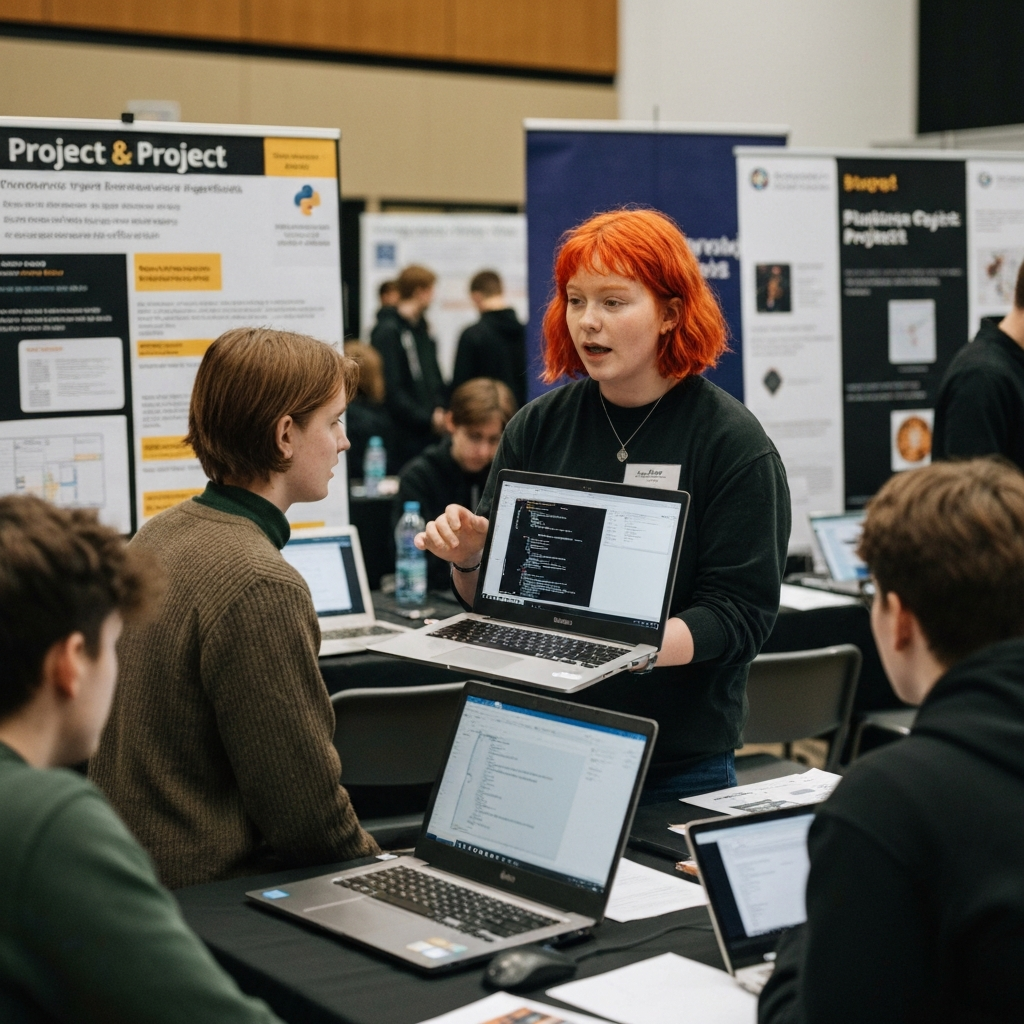 Doing hands-on projects is important to learn python programming. When students work on mini projects, they get to use key ideas like data types, control flow, and file handling in everyday tasks. These tasks help people understand more about algorithms and data manipulation. This way, all the things you learn from books become easier to see in action. Capstones bring all your python coding together. As students solve real problems, they build up their coding skills. This also shows them how python is used in data science and artificial intelligence. It’s a good way to see how what you learn fits into the world.
Sample Projects for Beginners and Intermediate Learners
This data science and analytics track starts with your basic knowledge of Python. The syllabus is all about turning raw data into real insights. You will not just learn about libraries like NumPy and Pandas. You will use them for deep data analysis and more complex data tasks.
A big part of this track is about data visualization. Here, you get to use Matplotlib and Seaborn. These help you make charts and graphs so that you can share what you found in the data. Any good machine learning course in Hyderabad will spend a lot of time on these tools.
This data science syllabus usually covers:
Advanced Pandas for tasks like cleaning data, merging different sets, and reshaping tables.
Using libraries like SciPy and Statsmodels for statistics.
Getting to know the basics of machine learning with Scikit-learn.
Building interactive dashboards and clear visualizations.
All this know-how is just what employers want when they hire people for data analyst or data scientist jobs.
Case Studies from the Indian Tech Industry
Python is used in many ways in the Indian tech world. The, companies in finance, healthcare, and online shopping use Python for machine learning and data analysis. This lets them work better than before. For example, businesses use Python to automate repetitive tasks, so their teams can make choices faster.
Startups that focus on artificial intelligence often use TensorFlow and PyTorch. This shows that Python’s many tools help new ideas get made every day. There are also good examples where people use web scraping and data manipulation with Python, showing how it works for real jobs. These ways of using Python help those who want to learn things like machine learning, web scraping, data analysis, and artificial intelligence.
How Mini Projects Prepare You for Real Jobs
Mini projects are a good way to get real coding experience. You will see how to use ideas from python programming in everyday tasks. This helps you build your understanding of python. When you work on different things like automation or web applications, you get to try new coding methods. You also learn more about software by doing these jobs.
Doing mini projects makes the work feel real. It helps you get better at solving problems and finding new ways to do things. You learn to handle projects and work with others. These hands-on tasks can get you ready for jobs in data science and AI. The experience makes you look good to employers.
Career Paths After Completing a Future-Ready Python Course
Python can open many doors in today's job market. If you finish a future-ready python course, you may get a job as a developer or analyst. You could work on web development or data analysis. People with advanced skills in python can also become data scientists or ai engineers. These jobs often use python for machine learning and deep learning. If you are a good programmer, you can choose to work as a freelancer and enjoy more freedom in your work. Learning python can make you more likely to get hired. It can also get you ready for new and exciting projects in the tech world.
Entry-Level Roles: Developer, Analyst, QA
Entry-level jobs like developer, analyst, and QA are a good way for new people to start in tech. In a developer job, you use Python programming to build apps and make tasks easy to finish. This helps everyone get more done. As an analyst, you run data analysis and use tools like Pandas and NumPy. These tools help you find real answers in the numbers. In Quality Assurance (QA), you check if the software works as it should and matches what was asked for. These jobs ask you to know simple programming ideas, control flow, and data structures. This gives you the basics you need to grow in tech later.
Advanced Opportunities: Data Scientist, AI Engineer
A job as a data scientist or AI engineer can be both fun and rewarding. People in these jobs work with machine learning and do a lot of data manipulation. They use python programming every day for data analysis and to build models that help predict things. You need to get good with advanced concepts, including deep learning with tools like TensorFlow or PyTorch. Knowing how to use pandas and numpy in python also matters a lot for data analysis.
The work brings you together with teams from different areas. You help make algorithms and use natural language skills to solve problems. These roles let you build new AI solutions in many fields. This means you will get to work in a way that feels great and full of chances for you to grow.
Freelancing and Upskilling with Python
Freelancing gives Python developers a good way to show their skills. You can work with data manipulation, automation, and web development, and take on different projects for many clients. Learning more about advanced concepts like artificial intelligence and machine learning will help you get more jobs. You can also ask for higher pay.
If you learn frameworks like Django and Flask, you can build great web applications. Knowing how to use APIs and web scraping helps you take care of repetitive tasks. When you take online courses often, you keep your skills good in a job market that changes all the time.
Choosing the Right Python Course Structure for Your Career Goals
Choosing the right python course is very important. It can change the way your career in data science, web development, or ai goes. Look closely at the syllabus for each course. The depth of the syllabus is more important than just the course name. A good python course should mix theory and real work. You need to understand the basic syntax and get to know how programming works. But you also have to use your skills in projects. You should learn to work on algorithms and real problems you might find on the job.
This helps you get ready for work in all areas like automation, data science, ai, or web development. Picking a course with the right mix helps you know not just what python syntax looks like but also lets you know how to handle real-world issues.
Evaluating Syllabus Depth vs. Course Name
It's important to know what is inside a syllabus before you pick a python course. The name of a course might sound big, but the real value is in what you learn. You need a syllabus that covers basic programming ideas, like data types, control flow, and object-oriented programming. Pick a course that lets you use python and practice with real projects. This helps you work with advanced concepts. Make sure the syllabus matches with your career plans, and check if it talks about machine learning and automation too.
Customizing Your Python Learning Path
Building your own path with Python is important to reach your job goals. First, think about what you like. Do you have interest in data science, web development, or automation? Change your python syllabus so it matches what you want to do. Put in things like machine learning or web scraping.
Mix learning the theory with doing real projects. This helps you get good at what you do. It lets you start with the basics but also move up to advanced concepts. You will be ready for new changes in the job market if you learn this way.
Conclusion
Completing a python course gives people many chances in technology, data science, and ai. The syllabus in the python course is set up to teach both the ideas and the steps. This helps people learn the skills they need for real jobs. The mini projects and hands-on coding make the learning reflect the way work happens outside, so you get real practice.
Learning and coding with python in these courses helps people build confidence. It gives them the facts they need for data analysis and other work in today's jobs. The python course is good for those who want to do well in a busy market. When industries change, understanding of python stays important for those who want to know more about programming and data science.
Making time to learn in this way is good, and it can turn out well for people who want to move up in their work or learn new things.
Frequently Asked Questions
How does the Python syllabus differ for data science vs. general programming?
The Python syllabus for data science puts the main focus on things like machine learning, data science, and using data manipulation libraries such as Pandas. On the other hand, general programming teaches basic coding skills to help you learn the main ideas of coding, algorithms, and how software works. You can use what you learn from coding in many different tasks.
What is the average Python course duration for beginners?
Most beginner Python courses last between 4 and 12 weeks. The exact time depends on how the course is set up and how fast you learn. Some short courses cover only key concepts of python. The longer ones go deep and also have hands-on projects. These help you learn practical skills in python.
Are online courses effective for mastering the Python course roadmap?
Online courses can help you learn the Python course roadmap in a good way. They give you the chance to learn at your own speed, and you get many different resources. When you work with interactive modules and real-world projects, you get to use the ideas you learn. This helps you remember things better and keeps you interested. These tools can make it easier for you to move ahead and reach your goals in tech, especially if you want to learn python.
Best place/course for an absolute beginner to learn Python?
For absolute beginners, platforms like Codecademy and Coursera offer excellent Python courses. They provide structured learning paths, interactive coding exercises, and community support. Additionally, the Python.org official documentation is a valuable resource to supplement learning, ensuring a solid foundation in programming concepts and practical skills.